
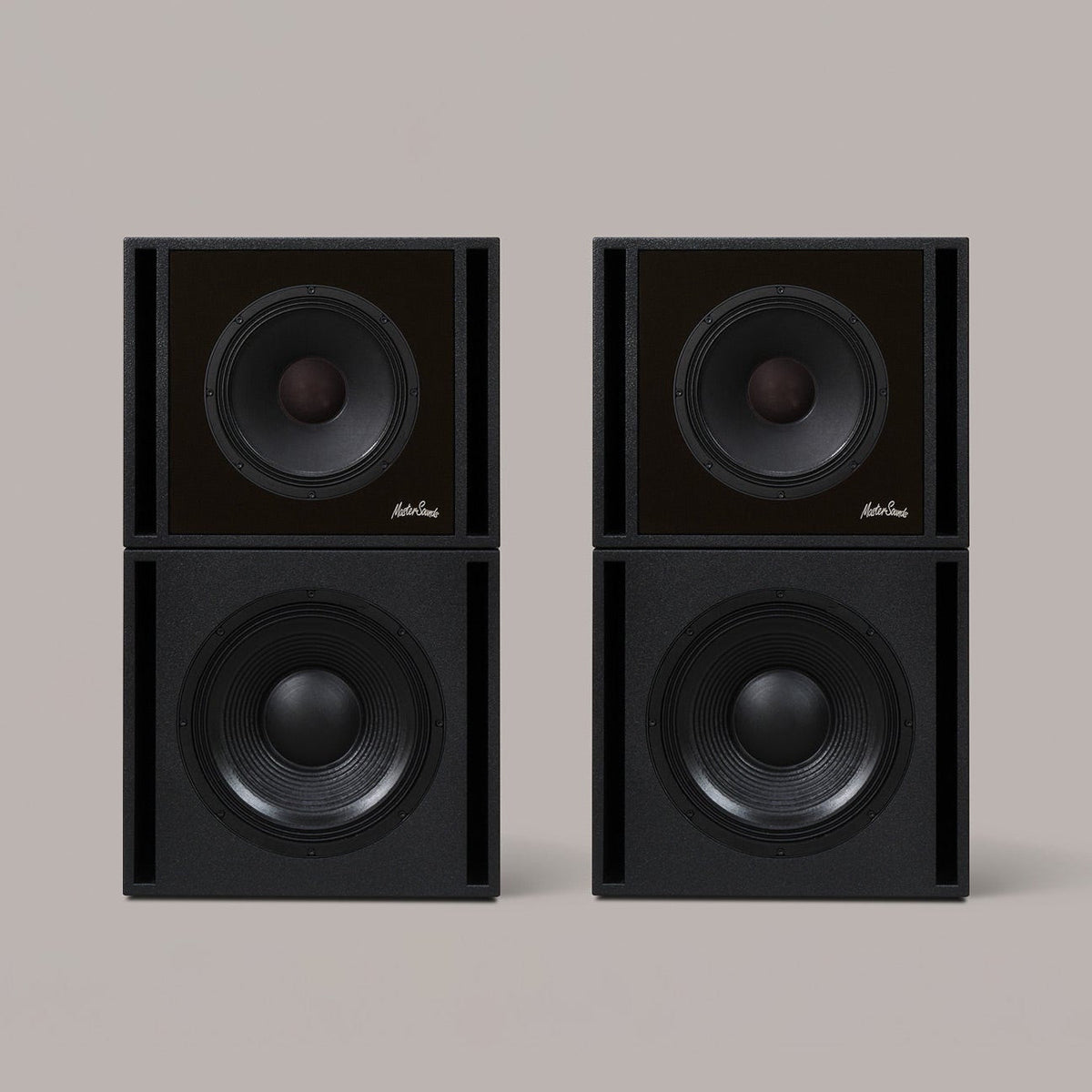
The Power of Sound: Exploring the World of Loudspeaker Systems
When it comes to experiencing music, movies, or any audio content to its fullest potential, a high-quality loudspeaker system can make all the difference. These systems are designed to reproduce sound with clarity, depth, and precision, creating an immersive audio experience that can transport you to another world.
At the heart of a loudspeaker system are the speakers themselves. These devices convert electrical signals into sound waves through the use of drivers such as woofers, tweeters, and mid-range drivers. Each driver is responsible for producing a specific range of frequencies, ensuring that the entire audio spectrum is faithfully reproduced.
But a great loudspeaker system is more than just a collection of speakers. It also includes components such as amplifiers, crossovers, and enclosures that work together to enhance sound quality and ensure optimal performance. By carefully selecting and configuring these components, audio enthusiasts can create a customised setup that suits their preferences and listening environment.
One of the key benefits of a high-quality loudspeaker system is its ability to deliver accurate and balanced sound across different frequencies. This means that you can hear every detail in your favourite music tracks or immerse yourself in the dialogue of a movie without missing a word. Whether you’re a casual listener or an audiophile seeking perfection, investing in a quality loudspeaker system can elevate your audio experience to new heights.
From compact bookshelf speakers to towering floor-standing models, there is a wide range of loudspeaker systems available to suit every budget and preference. Whether you’re setting up a home theatre system, upgrading your stereo setup, or looking for professional-grade audio solutions for events or venues, there’s a perfect loudspeaker system waiting for you.
So why settle for mediocre sound when you can immerse yourself in crystal-clear audio with a top-of-the-line loudspeaker system? Explore the possibilities today and discover how the power of sound can transform your listening experience like never before.
Understanding Loudspeaker Systems: Answers to 8 Common Questions
- What is a loudspeaker system?
- How does a loudspeaker system work?
- What are the components of a loudspeaker system?
- What is the difference between passive and active loudspeaker systems?
- How do I choose the right loudspeaker system for my needs?
- Can I connect multiple devices to a single loudspeaker system?
- How can I improve the sound quality of my existing loudspeaker system?
- Are there any maintenance tips for keeping my loudspeaker system in top condition?
What is a loudspeaker system?
A loudspeaker system is a sophisticated audio setup that consists of multiple components working together to reproduce sound accurately and powerfully. At its core, a loudspeaker system typically includes speakers with various drivers like woofers, tweeters, and mid-range drivers to cover different frequencies. These components are complemented by amplifiers, crossovers, and enclosures to enhance sound quality and ensure optimal performance. In essence, a loudspeaker system transforms electrical signals into audible sound waves, allowing users to enjoy music, movies, or any audio content with clarity and depth. Whether for personal enjoyment at home or professional use in events and venues, a well-designed loudspeaker system plays a crucial role in delivering an immersive audio experience.
How does a loudspeaker system work?
A loudspeaker system works by converting electrical signals into sound waves through the use of various components such as drivers, amplifiers, crossovers, and enclosures. Each driver within the system, including woofers, tweeters, and mid-range drivers, is responsible for reproducing specific ranges of frequencies to ensure a full audio spectrum is accurately represented. The electrical signals are amplified to drive the speakers, and the crossovers help distribute different frequencies to the appropriate drivers for optimal sound quality. The enclosure plays a crucial role in controlling the sound dispersion and enhancing bass response. By working together harmoniously, these components create a cohesive system that delivers immersive and high-fidelity audio experiences for listeners.
What are the components of a loudspeaker system?
A loudspeaker system comprises several essential components that work together to deliver high-quality audio output. These components include drivers such as woofers, tweeters, and mid-range drivers, each responsible for reproducing specific frequency ranges. Additionally, amplifiers power the speakers, ensuring optimal performance and sound clarity. Crossovers help split the audio signal into different frequency bands, directing them to the appropriate drivers for accurate sound reproduction. Enclosures play a crucial role in controlling sound dispersion and enhancing bass response. By understanding the functions of these components within a loudspeaker system, audio enthusiasts can appreciate how each element contributes to creating a rich and immersive listening experience.
What is the difference between passive and active loudspeaker systems?
When comparing passive and active loudspeaker systems, the key distinction lies in their internal setup and functionality. Passive loudspeaker systems require an external amplifier to power the speakers and control the audio signal distribution. In contrast, active loudspeaker systems have built-in amplifiers and crossovers, allowing each speaker to be powered independently. This results in more efficient power distribution, better control over sound quality, and often a more compact overall setup. While passive systems offer flexibility in amplifier choice and configuration, active systems are known for their convenience and streamlined design that simplifies setup and optimises performance. Ultimately, the choice between passive and active loudspeaker systems depends on individual preferences, requirements, and the desired audio experience.
How do I choose the right loudspeaker system for my needs?
When it comes to selecting the perfect loudspeaker system for your needs, several factors come into play to ensure you make the right choice. Firstly, consider the intended use of the system – whether it’s for home entertainment, professional audio setups, or events. Assess the size of the room or space where the system will be installed to determine the power and coverage requirements. Additionally, think about your listening preferences, such as desired sound quality, bass response, and overall audio performance. Research different speaker types, configurations, and brands to find one that aligns with your specific needs and budget. Consulting with audio experts or seeking recommendations can also provide valuable insights to help you make an informed decision on selecting the right loudspeaker system tailored to your requirements.
Can I connect multiple devices to a single loudspeaker system?
When it comes to connecting multiple devices to a single loudspeaker system, the answer is yes, it is possible. Many modern loudspeaker systems come equipped with multiple input options, such as Bluetooth, auxiliary ports, HDMI, or optical inputs, allowing you to connect various devices like smartphones, tablets, laptops, TVs, and gaming consoles. By utilising these different connectivity options and possibly using a mixer or switcher if needed, you can easily switch between different devices and enjoy seamless audio playback through your loudspeaker system without the hassle of constant reconnections.
How can I improve the sound quality of my existing loudspeaker system?
To enhance the sound quality of your existing loudspeaker system, consider a few key strategies. Start by positioning your speakers correctly to optimize sound dispersion and reduce interference. Experiment with speaker placement and room acoustics to find the best configuration for your listening environment. Additionally, investing in high-quality cables and connectors can minimise signal loss and improve audio fidelity. Fine-tuning the settings on your amplifier or receiver, such as adjusting equalizer settings or speaker levels, can also make a significant difference in sound performance. Lastly, consider upgrading individual components like drivers or adding a subwoofer to enhance bass response and overall audio depth. By implementing these steps thoughtfully, you can elevate the sound quality of your existing loudspeaker system for a more immersive listening experience.
Are there any maintenance tips for keeping my loudspeaker system in top condition?
To keep your loudspeaker system in top condition, regular maintenance is key. Start by dusting the speakers and cabinets regularly to prevent build-up that can affect sound quality. Check and clean the speaker cones to remove any debris or dirt that may impact performance. Ensure all connections are secure and free of corrosion, as this can affect audio transmission. Consider investing in speaker covers or protective grilles to shield them from dust and potential damage. Lastly, avoid exposing your speakers to extreme temperatures or humidity levels to prolong their lifespan and maintain optimal performance for years to come.
Related Posts
Mastering the Art of Setup: Simplifying Your Installation Process
The Art of Setting Up: Simplifying Your Setup Process The…
Maximising Business Impact: The Power of a Professional Speaker System
Enhancing Your Business with a Professional Speaker System Enhancing Your…
Elevate Your Home Entertainment with a Premium Surround Sound System
The Ultimate Home Surround Sound System Experience The Ultimate Home…