
On-Page SEO Optimisation: A Practical Guide
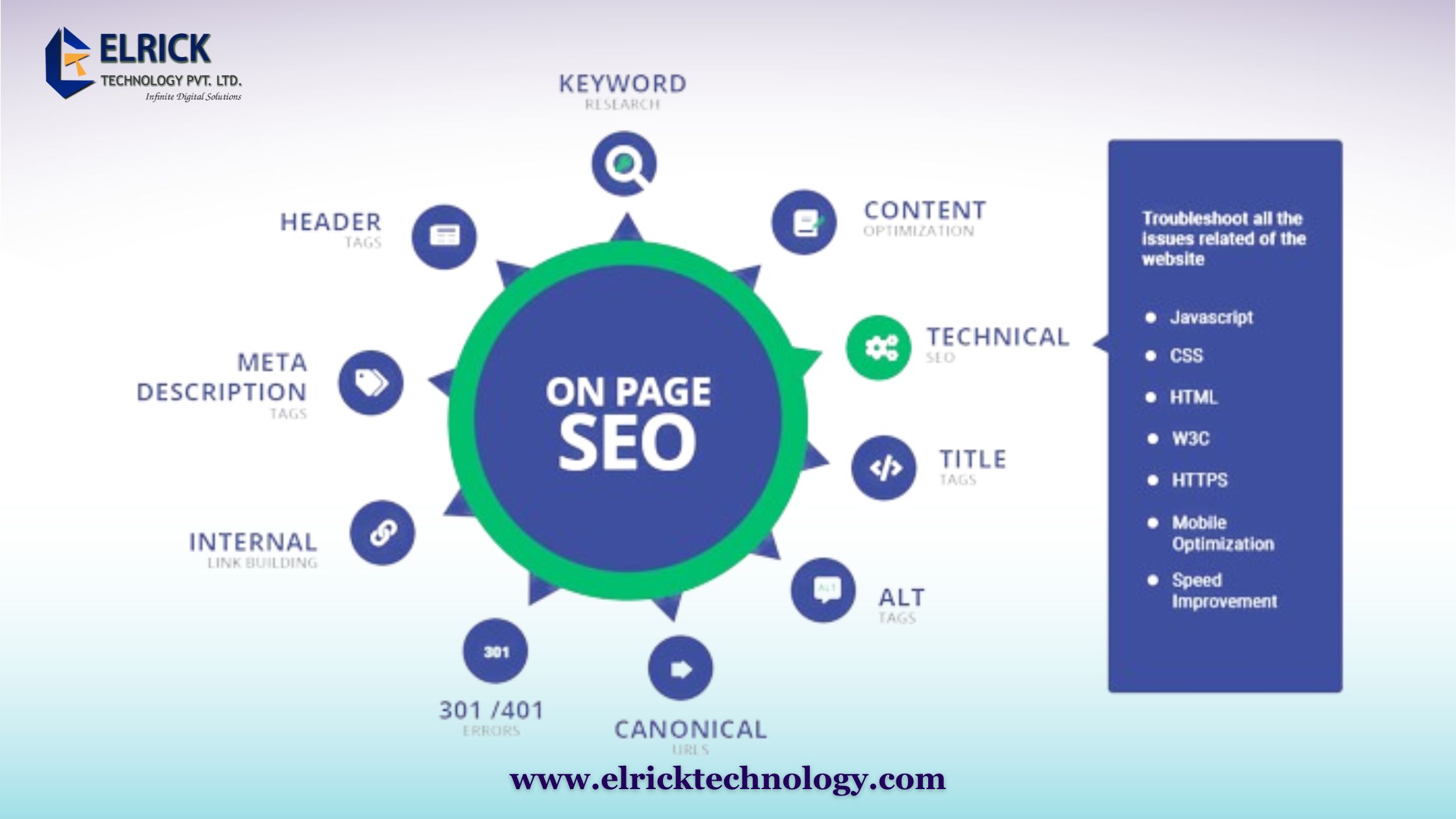
On-page SEO optimisation is the process of improving the content and HTML elements on a web page so that search engines and visitors can understand it more easily. Done well, it helps search engines match a page with relevant searches while making the page more useful for the people who land on it.
On-page SEO is not about repeating a keyword as often as possible. It is about creating a clear, helpful page that meets a genuine need, then making its topic and structure easy to understand.
Understand what the searcher needs
Before writing or updating a page, consider the reason someone would search for its topic. They might want an explanation, a comparison, a product, or a service. Search results can offer clues: look at the types of pages that appear and the questions they answer.
Use this research to shape the page, not to copy competitors. Aim to answer the reader’s main question clearly, provide useful supporting information and make the next step easy to find.
Choose a clear primary topic
Each page should have a clear central subject. A primary keyword can help define it, but related terms and questions may also be relevant. Use language naturally, including synonyms and specific details where they help explain the topic.
Avoid forcing exact-match phrases into every heading or paragraph. Repetitive, unnatural wording can make content harder to read and does not make a page more useful.
Write a descriptive title tag
The title tag tells search engines and potential visitors what a page is about. It may appear as the clickable headline in search results and in a browser tab.
- Make the title specific to the page.
- Put the main topic near the beginning when it reads naturally.
- Keep it concise and distinctive across the website.
- Make sure it accurately reflects the page content.
Search engines may choose to display a different title in results, so treat the title tag as a useful recommendation rather than a guarantee.
Create a helpful meta description
A meta description is a short summary of a page. It is not generally considered a direct ranking factor, but a clear and relevant description can encourage people to choose your result.
Summarise the page honestly, explain what the reader will find and, where appropriate, include a natural call to action. Write a unique description for important pages and avoid cramming it with keywords. Search engines may generate a different snippet depending on the search.
Structure content with headings
Headings make a page easier to scan and help organise its information. Use one clear main heading, usually an h1, followed by logical subheadings such as h2 and h3.
Headings should describe the section that follows. They are not just a place to insert keywords, and heading levels should be used in a sensible order rather than chosen for their visual size.
Write useful, original content
High-quality content gives visitors accurate information and meets the purpose of the page. It should be clear, well organised and detailed enough to answer the reader’s likely questions.
- Lead with the most important information.
- Use short paragraphs and plain language.
- Include examples or evidence where they add value.
- Keep facts and advice up to date.
- Remove filler and repeated points.
There is no ideal word count for every page. Focus on covering the topic well rather than adding text simply to make a page longer.
Make URLs readable
A clear URL gives people an idea of what a page contains. Keep addresses concise, use words that describe the topic and separate words with hyphens. Avoid long strings of unnecessary numbers or parameters where possible.
For example, example.co.uk/on-page-seo is easier to understand than a URL made up of unclear codes. If changing an existing URL, plan a permanent redirect from the old address to the new one to help visitors and search engines find the right page.
Use internal links thoughtfully
Internal links connect pages on the same website. They help visitors discover related information and help search engines understand how pages relate to one another.
Link to relevant pages where it is useful to the reader. Use descriptive anchor text that explains what the linked page is about, rather than relying on vague phrases such as “click here”. Check periodically for broken links and important pages that have few or no internal links.
Optimise images and other media
Images can make a page more engaging, but large files may slow it down. Use suitable file formats and dimensions, and compress images without noticeably reducing their quality.
Write alternative text for images that convey useful information. Describe what matters in the context of the page. Decorative images can usually have empty alternative text so screen readers can skip them. Give image files sensible names where practical, but do not treat filenames as a substitute for useful page content.
Consider technical elements
On-page optimisation also involves making sure search engines can access and interpret a page correctly. Depending on the site, this may include checking:
- That the page is accessible to search engines and is not accidentally blocked from indexing.
- That the correct canonical URL is specified when duplicate or very similar pages exist.
- That structured data is accurate and appropriate for the page.
- That the page works well on mobile devices.
- That the page loads reliably and provides a smooth experience.
Structured data can make a page eligible for enhanced search results, but it does not guarantee that these features will appear. Mark-up should always reflect information that is visible and accurate on the page.
Measure and improve over time
SEO is an ongoing process. Once a page has been updated, monitor relevant measures such as search impressions, clicks, rankings, organic visits and meaningful conversions. Search Console can show how pages perform in Google Search, while analytics tools can help reveal what visitors do after they arrive.
Use the data to identify opportunities, but consider the wider context. A change in performance may be affected by seasonality, search demand, competitors or changes to search results—not just the latest page edit.
Common on-page SEO mistakes
- Keyword stuffing: Repeating phrases unnaturally makes content unpleasant to read.
- Duplicate titles and descriptions: Important pages should have details that reflect their individual content.
- Writing for search engines alone: Pages need to serve people first.
- Overlooking mobile users: Text, navigation and page elements should work on smaller screens.
- Changing URLs without redirects: This can leave visitors facing broken links and disrupt access to the old address.
- Ignoring existing content: Reviewing and improving useful older pages can be more valuable than publishing new pages on the same subject.
A simple on-page SEO checklist
- Does the page clearly meet the searcher’s needs?
- Does it have a descriptive, unique title tag and a useful meta description?
- Is the content organised with clear headings?
- Are keywords and related terms used naturally?
- Are relevant internal links included?
- Are images appropriately sized and supplied with suitable alternative text?
- Does the page work well on mobile and load reliably?
- Are technical settings, including indexing and canonicalisation, correct?
Conclusion
Effective on-page SEO optimisation combines helpful content, clear page structure and sound technical foundations. Start with the visitor’s needs, make the page easy to understand and keep improving it as information and user expectations change. The strongest results come from making pages genuinely useful—not from chasing shortcuts.
29 Frequently Asked Questions About On-Page SEO Optimisation
- What is on page SEO optimization?
- What are the 3 most important on page SEO factors?
- What are the top 5 on-page SEO factors?
- What is on page Optimisation technique?
- What are the 3 primary components of on page optimization?
- Which is an on-page SEO practice?
- What is on-page SEO vs content SEO?
- What is on page and off page optimization in SEO?
- Which is example of on-page SEO?
- What is Onn page SEO?
- How do I optimize my SEO for one page?
- What is on-page SEO and its factors?
- Which is example of on page SEO?
- Which choice is example of on-page SEO?
- What is on-page optimization in SEO?
- What is on-page and off-page optimization in SEO?
- What is on page SEO and its factors?
- What is off-page optimization in SEO?
- What are the on-page SEO factors?
- What are top 10 on-page SEO factors?
- What is on-page optimization techniques?
- What does onpage SEO include?
- What are the 3 most important on-page SEO factors?
- What are the on page SEO factors?
- What is on-page and off page optimization in SEO?
- What is on page & off page SEO optimization?
- What is the 80/20 rule for SEO?
- How can I improve my onsite SEO?
- What is off page optimization in SEO?
What is on page SEO optimization?
On-page SEO optimisation is the process of improving the content and elements on a webpage to help search engines understand its topic and make it more useful to visitors. This can include creating helpful, relevant content, using clear headings, writing descriptive title tags and meta descriptions, adding relevant internal links, and optimising images. The aim is to make each page easy to find, understand and use—without forcing keywords unnaturally.
What are the 3 most important on page SEO factors?
The three most important on-page SEO factors are high-quality, relevant content, clear page titles and headings, and a well-structured user experience. Content should satisfy the searcher’s needs and cover the topic accurately; titles and headings should describe the page clearly and naturally include relevant terms; and the page should be easy to navigate, mobile-friendly and quick to load. Together, these elements help visitors and search engines understand and use your page.
What are the top 5 on-page SEO factors?
The top five on-page SEO factors are high-quality content that meets the searcher’s needs, a clear and relevant title tag, a logical heading structure, descriptive internal links and a fast, mobile-friendly page experience. Use your target keywords naturally in the content and page elements, but avoid keyword stuffing. Together, these factors help visitors understand and use the page while making its topic and structure clearer to search engines.
What is on page Optimisation technique?
On-page optimisation techniques are the changes made directly to a web page to help search engines understand its content and make it more useful for visitors. They include writing clear, relevant content; using descriptive page titles and headings; adding natural keywords; improving URLs, images and internal links; and ensuring the page works well on mobile devices. The aim is to match the searcher’s needs and provide a clear, helpful experience—not simply to repeat keywords.
What are the 3 primary components of on page optimization?
The three primary components of on-page SEO optimisation are content, HTML elements and site structure. Content should be useful, original and relevant to the searcher’s needs; HTML elements include title tags, headings, meta descriptions and image alt text; and site structure covers clear URLs, logical navigation and relevant internal links. Together, these elements help visitors and search engines understand a page and how it fits within your website.
Which is an on-page SEO practice?
Using a clear, descriptive title tag that accurately reflects the page’s content is an on-page SEO practice. It helps search engines understand the topic and gives people a useful indication of what they’ll find in the search results. Other on-page practices include organising content with headings, writing helpful copy, adding relevant internal links and providing suitable alternative text for images.
What is on-page SEO vs content SEO?
On-page SEO covers the elements of a webpage that can be optimised to help search engines understand and display it, including title tags, headings, URLs, internal links, image alt text and technical details such as canonical tags. Content SEO focuses specifically on the quality and relevance of the material itself: how well it answers the reader’s question, matches search intent and demonstrates useful expertise. The two overlap, because well-structured, relevant content is an important part of on-page SEO, but content SEO is concerned more with what the page says, while on-page SEO also includes how the page is organised and configured.
What is on page and off page optimization in SEO?
On-page SEO optimisation involves improving elements on your website, such as page content, headings, title tags, internal links and image descriptions, to make pages more useful and easier for search engines to understand. Off-page SEO focuses on signals beyond your website, particularly links from other reputable sites, as well as your wider online reputation and visibility. Both approaches can support search performance: on-page optimisation helps establish relevance and usability, while off-page optimisation can build authority and trust.
Which is example of on-page SEO?
An example of on-page SEO is optimising a service page by adding a clear, descriptive title tag, using relevant headings, and naturally including the phrases people might search for. For instance, a page about boiler servicing could explain the service, outline what is included and link to related pages. These improvements help visitors and search engines understand the page.
What is Onn page SEO?
On-page SEO (sometimes misspelt as “onn page SEO”) is the practice of improving elements on a web page to help search engines understand its content and help visitors find the information they need. This includes creating useful, relevant content, using clear headings and page titles, adding descriptive links and image text, and making sure the page is easy to use on mobile devices. The aim is to make each page clear, helpful and relevant to the people searching for its topic.
How do I optimize my SEO for one page?
To optimise SEO for a single page, start by identifying the search intent and choosing a clear primary topic. Write useful, original content that answers the reader’s needs, then use the topic naturally in the page title, main heading, subheadings and copy. Add a concise meta description, create a clear URL, link to relevant pages on your website, and optimise images with suitable file sizes and descriptive alt text. Finally, check that the page works well on mobile, loads reliably and can be indexed by search engines, then monitor its performance and update it when needed.
What is on-page SEO and its factors?
On-page SEO is the practice of improving the content and elements on a web page to help search engines understand its topic and make it more useful for visitors. Key factors include high-quality, relevant content; a clear title tag and meta description; logical headings; naturally used keywords; descriptive URLs; helpful internal links; optimised images with suitable alt text; and a mobile-friendly, fast-loading experience. These elements should work together to meet the reader’s needs rather than simply repeat keywords.
Which is example of on page SEO?
An example of on-page SEO is optimising a service page for a relevant search, such as “home cinema installation”. This could include writing a clear page title and main heading, explaining the service in useful detail, adding descriptive image text and linking to related pages on the website. These changes help visitors and search engines understand what the page offers.
Which choice is example of on-page SEO?
Optimising a page’s title tag to describe its content and include a relevant search term is an example of on-page SEO. On-page SEO involves improving elements directly on a webpage—such as its content, headings, title tag, images and internal links—to make it more useful to visitors and easier for search engines to understand.
What is on-page optimization in SEO?
On-page optimisation in SEO is the process of improving elements on a website page to help search engines understand its content and make it more useful to visitors. This can include writing clear, relevant content, using descriptive page titles and headings, adding helpful internal links, optimising images and ensuring the page works well on mobile devices. The aim is to make each page easy to find, understand and use.
What is on-page and off-page optimization in SEO?
On-page SEO optimisation involves improving elements on your website, such as page content, headings, title tags, internal links and image descriptions, to help search engines and visitors understand each page. Off-page SEO focuses on actions outside your website that can influence its reputation and visibility, such as earning links from trusted sites, gaining brand mentions and building relationships within your industry. In short, on-page optimisation improves the pages you control, while off-page optimisation helps strengthen your website’s authority and credibility elsewhere on the web.
What is on page SEO and its factors?
On-page SEO is the practice of improving individual web pages to help search engines understand their content and make them more useful to visitors. Its main factors include high-quality, relevant content; naturally used keywords; clear title tags and meta descriptions; logical headings; descriptive URLs; internal links; optimised images with suitable alt text; and a mobile-friendly, fast-loading page. Together, these elements help a page communicate its subject clearly and provide a better user experience.
What is off-page optimization in SEO?
Off-page SEO optimisation refers to activities carried out away from your website to improve its visibility and authority in search results. It can include earning links from reputable, relevant websites, building brand awareness and gaining genuine mentions across the web. Unlike on-page SEO, which focuses on the content and structure of your own pages, off-page optimisation helps search engines understand how others perceive and refer to your site. The aim is to build trust naturally by creating valuable content and relationships, rather than buying links or using manipulative tactics.
What are the on-page SEO factors?
On-page SEO factors are the elements of a web page that can be optimised to help search engines understand its content and make it more useful for visitors. They include high-quality, relevant content; a clear title tag and meta description; a logical heading structure; natural use of relevant keywords; descriptive URLs; helpful internal links; and appropriately optimised images, including alternative text. Page accessibility, mobile usability, loading performance and accurate technical settings, such as canonical tags and indexing directives, can also play a part. The aim is to make each page clear, relevant and easy to use—not simply to add keywords.
What are top 10 on-page SEO factors?
The top 10 on-page SEO factors are: helpful, original content that meets the searcher’s needs; a clear primary topic and natural use of relevant keywords; a descriptive, unique title tag; a useful meta description; a logical heading structure; a concise, readable URL; relevant internal links with descriptive anchor text; optimised images with suitable file sizes and meaningful alt text; a good mobile and page-loading experience; and correct technical settings, including indexability and canonical tags where needed. Prioritise the visitor’s experience rather than trying to force keywords into every element.
What is on-page optimization techniques?
On-page optimisation techniques are the changes made directly to a webpage to help search engines understand its content and make it more useful for visitors. They include writing clear, relevant content; using descriptive title tags, meta descriptions and headings; structuring URLs; adding helpful internal links; and optimising images with suitable file sizes and alternative text. The aim is to apply these techniques naturally so the page answers the reader’s needs, rather than simply repeating keywords.
What does onpage SEO include?
On-page SEO includes the changes made directly to a web page to help search engines understand its content and make it more useful for visitors. This can involve improving page titles and meta descriptions, organising content with clear headings, using relevant keywords naturally, adding descriptive internal links and optimising images with suitable file names and alt text. It also includes ensuring the page is easy to read, works well on mobile devices and loads reliably.
What are the 3 most important on-page SEO factors?
The three most important on-page SEO factors are high-quality, relevant content, clear title tags and headings, and a well-structured page that is easy to navigate. Content should meet the searcher’s needs and use relevant terms naturally, while titles and headings should accurately describe each section. A logical structure, supported by helpful internal links and a good mobile experience, makes the page easier for both visitors and search engines to understand.
What are the on page SEO factors?
On-page SEO factors are the elements you can improve directly on a webpage to help search engines understand its content and make it more useful for visitors. They include high-quality, relevant content; a clear page title and meta description; a logical heading structure; naturally used keywords; readable URLs; descriptive internal links; and well-optimised images with suitable alt text. Technical considerations also matter, including mobile usability, page loading speed, crawlability and appropriate canonical tags. These factors work best together when they support a clear, helpful experience for the reader.
What is on-page and off page optimization in SEO?
On-page SEO optimisation involves improving elements on your website, such as page content, headings, title tags, internal links and images, to help search engines understand your pages and make them more useful to visitors. Off-page SEO focuses on signals beyond your website, particularly links from other reputable sites, as well as your brand’s wider online presence and reputation. Both approaches can support stronger search visibility: on-page work builds a clear, relevant website, while off-page activity can help establish its authority and trustworthiness.
What is on page & off page SEO optimization?
On-page SEO optimisation involves improving elements on your website, such as page content, headings, title tags, images and internal links, to help search engines understand your pages and make them more useful to visitors. Off-page SEO optimisation focuses on factors beyond your website, particularly earning links and building your site’s reputation and visibility across the web. Both approaches can support stronger search performance: on-page SEO improves the quality and clarity of your pages, while off-page SEO helps build trust and authority.
What is the 80/20 rule for SEO?
The 80/20 rule for SEO is a useful guideline suggesting that a small number of activities may generate most of your results. In practice, this could mean focusing on the pages, search terms and improvements with the greatest potential impact—such as updating valuable content, improving important title tags or fixing technical issues—rather than trying to optimise everything at once. It is not a guaranteed formula, and the right priorities depend on your website and audience, so use performance data to identify where your effort is most likely to help.
How can I improve my onsite SEO?
To improve your onsite SEO, start by making each page useful, clear and focused on what visitors are looking for. Use a descriptive title tag, a concise meta description, a clear main heading and well-organised subheadings. Include your target topic and related terms naturally, add relevant internal links, and optimise images with suitable file sizes and descriptive alternative text. Check that your pages work well on mobile, load reliably and can be crawled by search engines. Regularly review performance and update content so it remains accurate and helpful.
What is off page optimization in SEO?
Off-page optimisation in SEO refers to activities carried out away from your website to strengthen its reputation and visibility in search results. It can include earning links from relevant, trusted websites, gaining brand mentions, promoting useful content and building relationships within your industry. Unlike on-page SEO, which focuses on elements you can edit directly on your site, off-page optimisation helps demonstrate how others perceive and refer to your business. Focus on genuine, relevant recognition rather than buying links or using manipulative tactics.
Related Posts
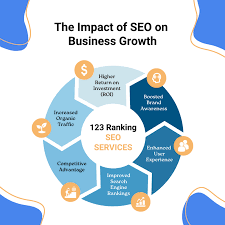
Maximise Your Online Visibility with Expert SEO Ranking Services
Boost Your Online Presence with SEO Ranking Services The Power…

Unlocking Success: Small Business SEO Company’s Key Role in Online Growth
The Importance of Hiring a Small Business SEO Company The…
Elevate Your Online Presence with a Top SEO Services Company
SEO Services Company: Boost Your Online Presence SEO Services Company:…