
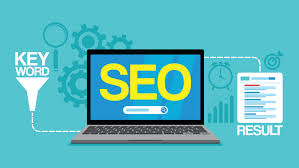
The Importance of On-Site SEO for Your Website
Search Engine Optimization (SEO) is a crucial aspect of digital marketing that helps improve your website’s visibility and ranking on search engine results pages. While off-site SEO strategies like link building are important, on-site SEO plays a significant role in enhancing your site’s performance.
On-site SEO involves optimizing various elements on your website to make it more search engine friendly. By focusing on on-site factors, you can improve your site’s relevance, authority, and user experience, which are key factors that search engines consider when ranking websites.
Key Elements of On-Site SEO
Some key elements of on-site SEO include:
- Title Tags: Optimizing title tags with relevant keywords can help search engines understand the content of each page.
- Meta Descriptions: Writing compelling meta descriptions can increase click-through rates from search results.
- URL Structure: Creating clean and descriptive URLs can improve user experience and search engine visibility.
- Header Tags: Using header tags (H1, H2, etc.) to structure content helps search engines understand the hierarchy of information on a page.
- Keyword Optimization: Strategically placing keywords throughout your content can improve relevancy for target searches.
- Image Alt Text: Adding descriptive alt text to images helps search engines understand the context of visual content.
- Internal Linking: Linking between related pages on your site can improve navigation and distribute link equity.
The Benefits of On-Site SEO
Effective on-site SEO practices can bring several benefits to your website, including:
- Improved Search Engine Rankings: Optimizing on-site elements can help your site rank higher for relevant keywords.
- Better User Experience: By structuring content and improving navigation, you enhance user experience and encourage visitors to stay longer on your site.
- Increase in Organic Traffic: Higher rankings and improved visibility can lead to an increase in organic traffic from search engines.
- Better Conversion Rates: A well-optimized website is more likely to convert visitors into customers or leads.
In conclusion, investing time and effort into on-site SEO is essential for improving your website’s performance in search engine results. By focusing on key elements such as title tags, meta descriptions, URL structure, and keyword optimization, you can enhance both user experience and search engine visibility. Incorporating effective on-site SEO practices as part of your overall digital marketing strategy will help drive organic traffic and achieve long-term success online.
Understanding On-Site SEO: Answers to 26 Frequently Asked Questions
- How is on-page SEO done?
- What is on site SEO?
- What is on-site SEO vs technical SEO?
- What is on-site SEO and off-site SEO?
- What is on-page SEO and off-page SEO?
- Why is onsite SEO important?
- What is on-page SEO Google?
- What is an example of on site SEO?
- What is the importance of onsite SEO?
- What is a difference between on-page SEO and on-site SEO?
- Why is on-site SEO important?
- What are the 3 types of SEO?
- What is the difference between on-page and on-site SEO?
- What is onsite vs technical SEO?
- What is on-site SEO and off site SEO?
- What choice is an example of on-page SEO?
- What is on-site SEO examples?
- What is on-site content?
- What is onsite and off-site SEO?
- What is on-page and Offpage SEO?
- What is onsite and offsite SEO?
- How do you do on-page SEO?
- What is the difference between onsite and offsite SEO?
- What is on-page SEO vs content SEO?
- What is the difference between on-site and off-site SEO?
- What is the difference between onpage and offpage SEO?
How is on-page SEO done?
On-page SEO, also known as on-site SEO, involves optimizing various elements within a website to improve its search engine visibility and ranking. To perform on-page SEO effectively, several key steps need to be taken. This includes conducting keyword research to identify relevant terms and phrases that users are searching for, strategically placing these keywords in title tags, meta descriptions, headers, and content, optimizing images with descriptive alt text, creating a clear and user-friendly URL structure, implementing internal linking between related pages, and ensuring that the website’s overall design and layout are user-friendly and mobile-responsive. By following these on-page SEO best practices, websites can enhance their relevance to search engines and improve their chances of ranking higher in search results for target keywords.
What is on site SEO?
On-site SEO, also known as on-page SEO, refers to the practice of optimizing various elements within a website to improve its search engine visibility and rankings. This includes optimizing content, meta tags, URLs, and internal linking structures to make the website more relevant and user-friendly for both visitors and search engines. By focusing on on-site SEO techniques, website owners can enhance their site’s chances of being discovered by search engines for relevant queries, ultimately driving organic traffic and improving overall online presence.
What is on-site SEO vs technical SEO?
On-site SEO and technical SEO are two essential components of a comprehensive search engine optimization strategy. On-site SEO focuses on optimizing elements within your website, such as content, meta tags, and internal linking, to improve its visibility and relevance to search engines. It involves creating high-quality, user-friendly content that incorporates relevant keywords and follows best practices for on-page optimization. On the other hand, technical SEO deals with the backend aspects of a website, including site speed, mobile-friendliness, structured data markup, and crawlability. Technical SEO ensures that search engine bots can effectively crawl and index your site’s content, leading to better overall performance in search results. Both on-site SEO and technical SEO are crucial for enhancing your website’s visibility, user experience, and search engine rankings.
What is on-site SEO and off-site SEO?
On-site SEO and off-site SEO are two fundamental components of search engine optimization (SEO) that work together to improve a website’s visibility and ranking on search engine results pages. On-site SEO focuses on optimizing various elements within the website itself, such as content, meta tags, URL structure, and internal linking, to make it more search engine friendly and user-friendly. In contrast, off-site SEO involves external factors like backlinks from other websites, social media signals, and online mentions that contribute to the website’s authority and credibility in the eyes of search engines. Both on-site and off-site SEO are essential for a comprehensive SEO strategy that aims to enhance a website’s performance and attract organic traffic.
What is on-page SEO and off-page SEO?
On-page SEO and off-page SEO are two essential components of search engine optimization (SEO) that work together to improve a website’s visibility and ranking on search engine results pages. On-page SEO refers to the optimization of elements within a website itself, such as content, meta tags, and HTML code, to make it more relevant and user-friendly for both visitors and search engines. In contrast, off-page SEO involves activities conducted outside the website, such as link building and social media marketing, to enhance the site’s authority and reputation in the online world. Both on-page and off-page SEO strategies are crucial for a comprehensive SEO approach that can drive organic traffic, improve search engine rankings, and ultimately boost a website’s online presence.
Why is onsite SEO important?
On-site SEO is crucial for several reasons. Firstly, it helps search engines understand the relevance and context of your website’s content, making it easier for them to index and rank your pages for relevant search queries. By optimising on-site elements such as title tags, meta descriptions, and keyword placement, you can improve your site’s visibility and attract more organic traffic. Additionally, a well-optimised website with clear navigation and structured content enhances user experience, leading to higher engagement and potentially increased conversions. Ultimately, investing in on-site SEO is essential for improving your site’s search engine rankings, driving organic traffic, and achieving long-term success online.
What is on-page SEO Google?
On-page SEO, also known as on-site SEO, refers to the practice of optimizing individual web pages to improve their search engine rankings and attract more organic traffic. When we specifically mention “on-page SEO Google,” it highlights the importance of tailoring your website content and structure according to Google’s guidelines and algorithms. This includes optimizing meta tags, headings, content, images, URLs, and internal linking to make your web pages more relevant and valuable to both users and search engines. By implementing on-page SEO strategies that align with Google’s best practices, you can enhance your website’s visibility in search results and increase the likelihood of ranking higher for relevant keywords.
What is an example of on site SEO?
An example of on-site SEO is optimising title tags on web pages. Title tags are HTML elements that specify the title of a webpage and appear as the clickable headline in search engine results. By including relevant keywords in the title tag and keeping it concise yet descriptive, you can improve the visibility and relevance of your page for specific search queries. Effective title tag optimisation is a fundamental on-site SEO practice that helps search engines understand the content of your page and encourages users to click through to your website.
What is the importance of onsite SEO?
The importance of on-site SEO lies in its ability to enhance a website’s visibility, relevance, and user experience. By optimising key elements such as title tags, meta descriptions, URL structure, and keyword placement, on-site SEO helps search engines understand the content of each page more effectively. This, in turn, can lead to higher search engine rankings for relevant keywords, increased organic traffic, improved user engagement, and ultimately better conversion rates. Investing in on-site SEO is crucial for any website looking to establish a strong online presence and attract target audiences effectively.
What is a difference between on-page SEO and on-site SEO?
A common query in the realm of SEO is the distinction between on-page SEO and on-site SEO. While both terms are closely related, they refer to different aspects of website optimization. On-page SEO primarily focuses on optimizing individual web pages to improve their search engine rankings, involving elements like content quality, keyword usage, meta tags, and internal linking. On the other hand, on-site SEO encompasses a broader scope by addressing overall website structure and performance factors that impact its visibility and user experience. This includes technical aspects such as site speed, mobile-friendliness, URL structure, and overall site architecture. Understanding the nuances between on-page and on-site SEO is crucial for implementing a comprehensive optimization strategy that enhances both individual page rankings and overall website performance.
Why is on-site SEO important?
On-site SEO is crucial for several reasons. Firstly, it helps search engines understand the content and relevance of your website, which is essential for ranking higher in search results. By optimising on-site elements such as title tags, meta descriptions, and keyword placement, you can improve your site’s visibility to potential visitors actively searching for related topics or products. Additionally, on-site SEO contributes to enhancing user experience by structuring content effectively and making navigation more intuitive. Ultimately, investing in on-site SEO ensures that your website not only attracts more organic traffic but also provides a seamless and engaging experience for users, leading to improved conversions and overall success online.
What are the 3 types of SEO?
When it comes to Search Engine Optimization (SEO), there are primarily three types that form the core strategies for improving a website’s visibility and ranking on search engine results pages. These include on-site SEO, off-site SEO, and technical SEO. On-site SEO focuses on optimizing elements within the website itself, such as content, meta tags, and internal linking structure. Off-site SEO involves building external links and establishing a strong online presence through social media and other platforms. Technical SEO deals with the backend aspects of a website, such as site speed, mobile-friendliness, and structured data markup. By implementing all three types of SEO effectively, website owners can enhance their online presence and attract more organic traffic from search engines.
What is the difference between on-page and on-site SEO?
In the realm of SEO, the terms “on-page” and “on-site” are often used interchangeably, leading to confusion. However, it’s essential to understand the distinction between the two concepts. On-page SEO refers to optimizing individual web pages to improve their search engine rankings, focusing on elements like content quality, keyword usage, meta tags, and internal linking. On the other hand, on-site SEO encompasses a broader approach that involves optimizing the entire website as a whole, including technical aspects such as site structure, URL optimization, mobile responsiveness, and overall user experience. While on-page SEO targets specific pages, on-site SEO looks at the website holistically to enhance its overall performance and visibility in search engine results.
What is onsite vs technical SEO?
On-site SEO and technical SEO are two essential components of a comprehensive search engine optimization strategy. On-site SEO focuses on optimizing the content and structure of your website to improve its visibility and relevance to search engines. This includes elements such as title tags, meta descriptions, URL structure, and internal linking. On the other hand, technical SEO deals with the backend aspects of a website that affect its performance in search results, such as site speed, mobile-friendliness, crawlability, and indexability. While on-site SEO is more content-focused, technical SEO ensures that your website is technically sound and meets search engine requirements for optimal performance. Both on-site and technical SEO are crucial for enhancing your website’s overall visibility and ranking in search engine results pages.
What is on-site SEO and off site SEO?
On-site SEO and off-site SEO are two fundamental components of Search Engine Optimization (SEO) that work together to enhance a website’s visibility and ranking on search engine results pages. On-site SEO involves optimizing various elements within the website itself, such as content, meta tags, URLs, and internal linking, to make it more search engine friendly and relevant to users. In contrast, off-site SEO focuses on external factors like backlinks, social signals, and online reputation management to establish the website’s authority and credibility in the eyes of search engines. Both on-site and off-site SEO strategies are essential for a comprehensive SEO approach that drives organic traffic and improves overall online performance.
What choice is an example of on-page SEO?
An example of on-page SEO is optimizing the title tags of web pages with relevant keywords. Title tags are a crucial on-site element that appears as the clickable headline in search engine results. By including targeted keywords in the title tag, websites can improve their visibility and relevance for specific search queries. This practice not only helps search engines understand the content of the page but also increases the likelihood of attracting organic traffic from users searching for related topics. Optimizing title tags is a fundamental on-page SEO strategy that can positively impact a website’s search engine rankings and overall performance.
What is on-site SEO examples?
On-site SEO examples encompass various strategies and techniques implemented directly on a website to enhance its search engine visibility and ranking. Some common examples include optimizing title tags with relevant keywords, creating descriptive meta descriptions to improve click-through rates, structuring URLs for better user experience and search engine indexing, using header tags to organize content effectively, strategically placing keywords throughout the content, adding descriptive alt text to images for better understanding by search engines, and implementing internal linking to improve navigation and distribute link equity. These on-site SEO practices are crucial for improving a website’s relevance, authority, and overall performance in search engine results pages.
What is on-site content?
On-site content refers to the textual, visual, and multimedia elements that are present on a website’s individual pages. This content is crucial for on-site SEO as it plays a significant role in informing search engines about the relevance and quality of a website. Well-crafted on-site content not only helps to engage visitors but also allows search engines to understand the purpose and subject matter of each page. By incorporating relevant keywords, providing valuable information, and maintaining high-quality content throughout the site, businesses can effectively enhance their on-site SEO efforts and improve their search engine rankings.
What is onsite and off-site SEO?
On-site and off-site SEO are two essential components of a comprehensive search engine optimization strategy. On-site SEO refers to the optimization of elements on your website itself, such as content, meta tags, and site structure, to improve its visibility and relevance to search engines. On the other hand, off-site SEO involves activities conducted outside of your website, like link building and social media marketing, to enhance your site’s authority and credibility in the eyes of search engines. Both on-site and off-site SEO work together to help improve your website’s ranking in search engine results pages and drive organic traffic to your site.
What is on-page and Offpage SEO?
On-page SEO and off-page SEO are two fundamental components of search engine optimization (SEO) that work together to improve a website’s visibility and ranking on search engine results pages. On-page SEO refers to the optimization of elements within a website itself, such as content, meta tags, and HTML code, to make it more relevant and user-friendly for both visitors and search engines. In contrast, off-page SEO involves external factors like backlinks, social signals, and online reputation management that influence a site’s authority and credibility in the eyes of search engines. Both on-page and off-page SEO strategies are essential for a comprehensive SEO approach that aims to enhance a website’s online presence and attract organic traffic.
What is onsite and offsite SEO?
Onsite SEO and offsite SEO are two essential components of search engine optimization that work together to improve a website’s visibility and ranking on search engine results pages. Onsite SEO refers to the optimization of elements within a website itself, such as content, meta tags, URL structure, and internal linking. It focuses on making the site more search engine friendly and relevant to target keywords. On the other hand, offsite SEO involves strategies implemented outside of the website, such as link building, social media marketing, and influencer outreach. Offsite SEO aims to build authority and credibility for the website through external sources. Both onsite and offsite SEO are crucial for a comprehensive SEO strategy that can help drive organic traffic and improve overall online presence.
How do you do on-page SEO?
To effectively implement on-page SEO, start by conducting keyword research to identify relevant terms and phrases for your content. Optimise title tags, meta descriptions, and headings with these keywords to improve search engine understanding. Structure your content logically using header tags (H1, H2, etc.) and ensure a clean URL structure. Incorporate keyword-rich content while maintaining readability for users. Utilise internal linking to connect related pages on your site and enhance navigation. Lastly, optimise images with descriptive alt text. By following these on-page SEO best practices, you can enhance your website’s visibility and ranking in search engine results.
What is the difference between onsite and offsite SEO?
On-site SEO and off-site SEO are two essential components of a comprehensive search engine optimization strategy. On-site SEO refers to the optimization of elements on your website itself, such as content, meta tags, and internal linking structure, to improve its visibility and ranking on search engine results pages. In contrast, off-site SEO focuses on external factors like backlinks, social signals, and online reputation management to enhance your site’s authority and credibility in the eyes of search engines. While on-site SEO ensures that your website is well-structured and contains relevant keywords, off-site SEO helps build trust and authority through external signals from other websites. Both on-site and off-site SEO are crucial for achieving higher rankings and driving organic traffic to your website.
What is on-page SEO vs content SEO?
On-page SEO and content SEO are two essential components of a comprehensive search engine optimization strategy. On-page SEO focuses on optimizing various elements within a webpage, such as title tags, meta descriptions, URL structure, and header tags, to improve search engine visibility and user experience. It involves technical aspects that help search engines understand the context and relevance of the content on a page. Content SEO, on the other hand, is more about the quality and relevance of the actual content on a webpage. It involves creating high-quality, engaging content that is valuable to users and incorporates relevant keywords naturally. While on-page SEO deals with technical optimizations, content SEO focuses on creating compelling content that resonates with both users and search engines for improved rankings and user engagement. Both aspects work hand in hand to enhance a website’s overall performance in search results.
What is the difference between on-site and off-site SEO?
In the realm of Search Engine Optimization (SEO), understanding the distinction between on-site and off-site SEO is crucial for achieving optimal results. On-site SEO refers to the practice of optimizing elements within your website, such as content, meta tags, and site structure, to improve search engine visibility and user experience. In contrast, off-site SEO focuses on external factors like backlinks, social signals, and online reputation management to enhance a website’s authority and credibility in the eyes of search engines. While on-site SEO lays the foundation for a well-structured and relevant website, off-site SEO complements it by building external relationships and signals that contribute to higher rankings and increased organic traffic. Both aspects are essential components of a comprehensive SEO strategy aimed at boosting a website’s online presence and performance.
What is the difference between onpage and offpage SEO?
In the realm of SEO, understanding the distinction between on-page and off-page optimisation is crucial for a comprehensive digital strategy. On-page SEO refers to the practices that are implemented directly on a website to improve its search engine visibility, such as optimizing content, meta tags, and internal linking structure. Conversely, off-page SEO focuses on external factors like backlinks, social signals, and online reputation management to enhance a website’s authority and relevance in the eyes of search engines. While on-page SEO lays the foundation for a well-structured and user-friendly website, off-page SEO plays a significant role in building credibility and trust with search engines through external validation. Both aspects are essential components of a holistic SEO approach aimed at boosting organic traffic and improving search rankings.
Related Posts

Unlocking Success: Maximising Your Potential with SEO Expert Services
SEO Expert Services The Power of SEO Expert Services In…

Unlocking Success: The Power of a Search Engine Optimization Agency
The Benefits of Hiring a Search Engine Optimization Agency The…
Maximising Your Business Potential with Online Search Engine Marketing
Online Search Engine Marketing The Power of Online Search Engine…