
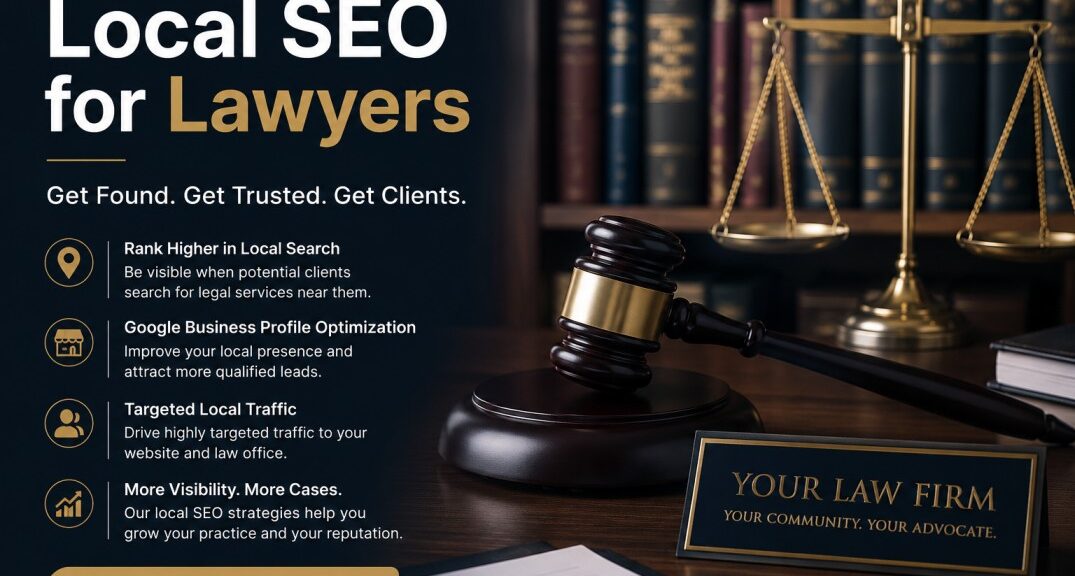
Local SEO for Lawyers: A Practical Guide for UK Law Firms
When someone needs legal help, they often search for a service in a particular place: “family solicitor in Leeds” or “employment lawyer near me”. Local search engine optimisation (local SEO) helps a law firm appear in relevant searches in the areas it genuinely serves.
Good local SEO is more than adding a town name to a website. It involves making accurate information easy to find, demonstrating relevant expertise and providing a clear, trustworthy experience for prospective clients.
What is local SEO for lawyers?
Local SEO is the process of improving a firm’s visibility in location-based search results. These may include map listings, local results in search engines and organic website results. A search engine may take account of the searcher’s location, the relevance of a firm’s services and the prominence of its online presence.
For law firms, local visibility can be particularly valuable because many people want advice from a nearby practice, or need a solicitor who understands the procedures and services available in their area. Firms that work nationally or remotely can also benefit by making their service areas and specialisms clear.
Set up and maintain your Google Business Profile
A Google Business Profile can help eligible firms appear in local search and map results. Make sure the profile reflects the real-world business accurately and follows Google’s guidelines.
- Use the firm’s genuine business name, without adding extra keywords or locations.
- Choose the most appropriate primary category and add relevant secondary categories where available.
- Provide an accurate address if clients are seen there, or configure the profile appropriately if the firm travels to clients or serves them remotely.
- Keep telephone numbers, opening hours, website details and appointment information up to date.
- Describe the firm’s services clearly and upload genuine, professional images where appropriate.
Do not create listings for virtual offices, unstaffed premises or locations where the firm is not genuinely present. Misleading location information can damage trust and may put a profile at risk.
Create useful pages for services and locations
A law firm’s website should make it straightforward to understand what it does, who it helps and where it operates. Create a clear page for each main area of law, such as conveyancing, family law, immigration or employment law. Where there is a genuine reason to serve several locations, explain that service clearly on relevant location pages.
A useful location page should offer more than a town name inserted into a standard template. Include relevant details such as:
- the legal services available in that area;
- how clients can access the service, including in-person or remote appointments;
- the firm’s real contact details and any genuine office information;
- practical information, such as accessibility or appointment arrangements; and
- helpful answers to questions local clients commonly ask.
Avoid creating large numbers of near-identical pages for towns the firm does not meaningfully serve. Thin or repetitive pages offer little value to users and are unlikely to build lasting search visibility.
Make the firm’s details consistent
Use the same firm name, address and telephone number across the website and relevant online directories. Inconsistent details can confuse potential clients and make it harder for search engines to connect the firm’s different listings.
Review important profiles periodically, especially after an office move, a change of telephone number or a firm merger. Correct outdated listings where possible, and avoid creating unnecessary duplicates.
Build trust through clear legal content
Legal searches often relate to important decisions and difficult circumstances. Website content should be accurate, understandable and written with care. Explain processes and terminology in plain English, make the limits of general information clear, and guide readers towards an appropriate next step.
Author pages can help visitors understand who is responsible for the content. Include relevant qualifications, areas of practice and professional status, ensuring every claim is current and verifiable. Content should be reviewed when the law or relevant guidance changes.
Do not present general website information as personalised legal advice. A clear disclaimer can help set expectations, but it does not replace accurate content or appropriate client-care procedures.
Encourage genuine reviews and respond professionally
Reviews can help prospective clients assess a firm and may contribute to its prominence in local search. Invite feedback in a fair and consistent way, without pressuring clients or offering incentives in exchange for positive reviews. Never write or arrange fake reviews.
Confidentiality is especially important for legal practices. When responding to a review, do not confirm that someone is or was a client, reveal case details or discuss confidential information. A brief, courteous response that invites the reviewer to contact the firm privately is usually safer.
Use local links and community involvement appropriately
Relevant local links can strengthen a firm’s online profile and help people discover its services. Consider genuine opportunities such as contributing useful information to a local business organisation, supporting a community initiative or providing expert commentary to a reputable local publication.
Focus on useful relationships rather than buying links or joining low-quality directories solely for search rankings. The aim is to earn recognition that makes sense for the firm and its community.
Check the technical foundations
A well-structured, mobile-friendly website supports both visitors and search engines. Check that pages load reliably, contact details are easy to find, forms work correctly and key information is accessible on a phone. Use descriptive page titles and headings that explain the service and, where appropriate, the location.
Structured data, such as suitable LocalBusiness or LegalService markup, can help search engines interpret information on a website. It must accurately reflect visible, factual details; it does not guarantee enhanced search results.
Measure enquiries, not just rankings
Search position is only one measure of local SEO. Track meaningful outcomes, including relevant website visits, calls, contact-form submissions and appointment enquiries. Analytics and call tracking should be configured transparently and in line with applicable privacy and data-protection requirements.
Look at performance by service and location. This can show whether a page attracts the right audience, whether visitors can find the information they need and where improvements may be worthwhile.
Keep professional obligations in view
Marketing by legal practices must be accurate, fair and not misleading. Solicitors should ensure their advertising and client communications comply with the rules and guidance of their relevant regulator, such as the Solicitors Regulation Authority or the Council for Licensed Conveyancers. Barristers should follow the requirements of the Bar Standards Board and any applicable professional obligations. Firms should also take care with claims about expertise, outcomes, pricing and client testimonials.
Conclusion
Effective local SEO for lawyers starts with accuracy and usefulness. A complete business profile, clear service pages, consistent contact details, trustworthy content and responsible review practices can help a firm become easier to find and easier to trust.
Local visibility takes time to build. By focusing on the needs of prospective clients and maintaining a reliable online presence, a law firm can create a stronger foundation for sustainable local search performance.
Essential FAQs on Local SEO for Lawyers: Boosting Your Law Firm’s Online Presence
- What is local SEO for lawyers?
- Why is local SEO important for law firms?
- How can a law firm improve its Google Business Profile?
- How do law firms rank higher in local search results?
- Should a law firm create a separate page for each location it serves?
- How can online reviews help a law firm’s local SEO?
- How can a law firm keep its name, address and phone number consistent online?
- How long does local SEO take to produce results for a law firm?
- How can a law firm measure the success of its local SEO?
What is local SEO for lawyers?
Local SEO for lawyers is the process of helping a law firm appear in search results when people look for legal services in a particular area, such as “family solicitor in Bristol”. It includes keeping business listings accurate, creating useful pages about the firm’s services and locations, building a trustworthy online presence and making it easy for potential clients to get in touch.
Why is local SEO important for law firms?
Local SEO is important for law firms because people often search for legal help in a specific area, such as “solicitor near me” or “family lawyer in Bristol”. Improving local visibility can help a firm appear in relevant search and map results, making it easier for nearby prospective clients to find its services, contact details and reviews. A strong local presence can build trust and generate more relevant enquiries, although results depend on the firm’s services, location and competition.
How can a law firm improve its Google Business Profile?
A law firm can improve its Google Business Profile by keeping its business name, address, phone number, opening hours and website accurate and consistent with its other online listings. Choose the most relevant business category, describe services clearly, add genuine photos and keep appointment information up to date. Encourage clients to leave honest reviews without offering incentives, and respond courteously without disclosing confidential information. Avoid adding keywords to the firm’s name or listing locations where it does not genuinely operate, as this can mislead potential clients and breach Google’s guidelines.
How do law firms rank higher in local search results?
Law firms can improve their local search visibility by keeping their Google Business Profile accurate and complete, using consistent contact details across reputable directories, and creating helpful pages for their legal services and the areas they genuinely serve. Encourage genuine client reviews and respond professionally without disclosing confidential information. A fast, mobile-friendly website with clear contact details and useful, trustworthy legal content also helps prospective clients and search engines understand the firm. Local rankings take time and are not guaranteed, so track relevant enquiries as well as search positions, and ensure all marketing complies with the firm’s professional and regulatory obligations.
Should a law firm create a separate page for each location it serves?
A law firm should create a separate page for a location only when it can provide genuinely useful, location-specific information and actually serves clients there. Each page should explain the services available, how clients can access them and any relevant local details; simply swapping town names across near-identical pages is unlikely to help visitors and may harm search performance. If the firm serves several areas in the same way, a well-written service-area page may be more appropriate.
How can online reviews help a law firm’s local SEO?
Online reviews can support a law firm’s local SEO by strengthening its visibility and credibility in local search results, while helping prospective clients assess others’ experiences. Encourage genuine, honest feedback through a fair process, and respond politely without confirming someone is a client or revealing confidential information. Reviews are only one part of local SEO, so they should complement accurate business details, useful website content and a strong client experience.
How can a law firm keep its name, address and phone number consistent online?
A law firm can keep its name, address and phone number (NAP) consistent by choosing one accurate format and using it across its website, Google Business Profile and relevant legal and business directories. Check listings regularly, update them promptly after any change, and correct or remove duplicate or outdated profiles. Use the firm’s genuine trading name and address, and make sure any additional office details reflect real locations where the firm operates. A simple record of key listings can make these checks easier and help prevent conflicting information from confusing prospective clients.
How long does local SEO take to produce results for a law firm?
Local SEO is a gradual process, and most law firms should allow around three to six months to see meaningful improvements in visibility and enquiries, although competitive locations or newly established firms may take longer. The timeframe depends on factors such as the firm’s starting position, local competition, website quality, reviews and the consistency of ongoing work. Some changes, such as correcting business details or improving a Google Business Profile, may have an effect sooner, but sustained results usually require regular attention and measurement.
How can a law firm measure the success of its local SEO?
A law firm can measure local SEO success by tracking relevant outcomes, not just search rankings. Monitor visibility for local searches, Google Business Profile views and actions, visits to service and location pages, and enquiries such as calls, form submissions and appointment bookings. Use analytics and call tracking, where appropriate, to understand which searches and pages lead to enquiries, while complying with privacy and data-protection requirements. Review the quality of enquiries and new client instructions over time to see whether local SEO is reaching the right people.
Related Posts

Enhance Your Dental Practice’s Visibility with Strategic SEO Marketing
Dental SEO Marketing: Boost Your Practice's Online Presence Dental SEO…

Maximise Your Online Presence with a Skilled Dental SEO Expert
The Importance of Hiring a Dental SEO Expert The Importance…

SEO Management Services: A Practical Guide for UK Businesses
SEO Management Services: A Practical Guide for UK Businesses Being…