
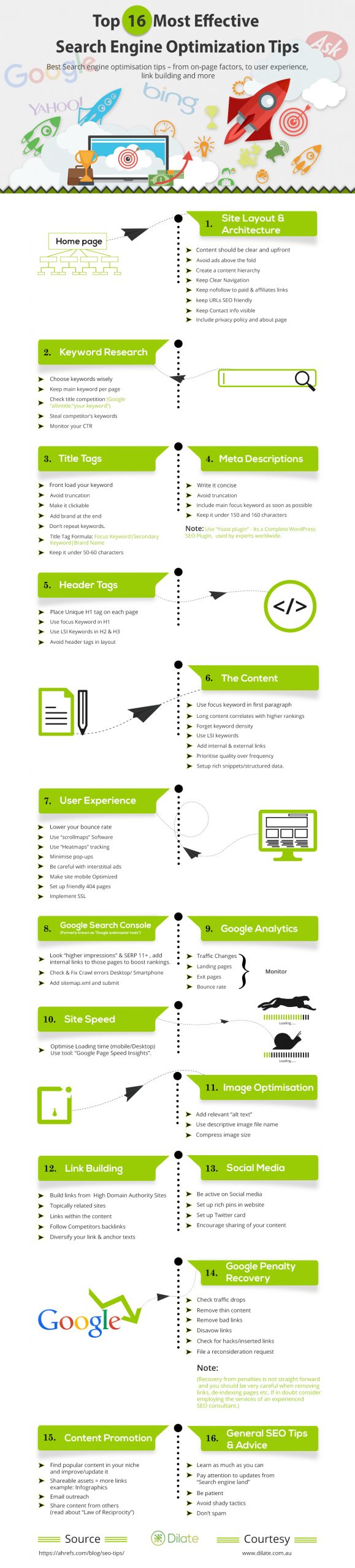
Best Search Engine Optimisation: A Practical Guide
The best search engine optimisation (SEO) is not a single trick or quick fix. It is a sustainable approach that helps search engines understand your website and makes it genuinely useful to the people who visit it. Strong SEO brings together helpful content, sound technical foundations and a good user experience.
Search engine algorithms change, but the fundamentals remain consistent: understand what your audience needs, provide clear and reliable answers, and make your website easy to use. This guide explains the key areas to focus on.
Start with your audience and search intent
Before choosing keywords or writing pages, consider what potential customers are trying to achieve. Someone searching for “boiler repair” may need an urgent local service, while someone searching for “how does a combi boiler work?” is more likely to be looking for information.
Identify the questions, problems and decisions that matter to your audience. Then create pages that match those needs. A useful page should deliver what its title promises, answer the main question clearly and make the next step easy to find.
Research keywords naturally
Keyword research helps you discover the language people use when looking for products, services or information. Look for relevant search terms, related questions and variations in wording. Consider whether a search is informational, commercial or transactional.
Use your findings to shape page topics and headings, rather than forcing exact phrases into every paragraph. Search engines can understand related terms and context, so natural, readable writing is more valuable than repetitive keyword placement.
Create useful, original content
High-quality content is central to effective SEO. It should be accurate, clear and written for people—not simply created to include keywords. Depending on your business, useful content might include service pages, product information, guides, case studies, comparison pages or answers to frequently asked questions.
- Give each page a clear purpose and a distinct topic.
- Use informative headings to organise the content.
- Explain specialist terms where your audience may not know them.
- Include practical details, examples or evidence where appropriate.
- Review important pages regularly to keep information current.
Avoid publishing large volumes of thin or duplicated pages. More content does not automatically mean better rankings; each page should offer a clear benefit to the reader.
Build a strong technical foundation
Technical SEO helps search engines access, understand and index your website. It also supports a smooth experience for visitors. You do not need a complicated website, but the essentials should be in good order.
- Make sure important pages can be crawled and indexed.
- Use secure HTTPS across the site.
- Ensure the website works well on mobile devices.
- Improve loading speed and address avoidable performance issues.
- Use clear, descriptive page titles and meta descriptions.
- Fix broken links and redirect outdated URLs appropriately.
- Submit an XML sitemap and check for indexing issues in Google Search Console.
Tools such as Google Search Console and website analytics platforms can help identify technical problems and show how people find and use your site.
Make navigation and page structure clear
A logical website structure helps visitors find information and helps search engines understand how pages relate to one another. Group related pages together, use descriptive navigation labels and link between relevant pages where it is useful.
Internal links should help people continue their journey—not merely exist to repeat keywords. For example, a guide might link to a relevant service page, while a service page could link to useful supporting information.
Strengthen your local SEO
If you serve customers in a particular area, local SEO can help your business appear in relevant local searches. Keep your business name, address and telephone number accurate and consistent across your website and business listings.
Complete and maintain your Google Business Profile, select appropriate categories, add useful photographs and respond professionally to reviews. Local pages should contain genuinely useful information about the areas you serve; avoid creating near-identical pages that differ only by place name.
Earn trust and relevant links
Links from other websites can help search engines discover pages and assess their wider relevance. The most sustainable way to earn links is to publish something worth referencing, such as original research, a detailed resource, a useful tool or expert commentary.
Build relationships with relevant organisations and publications, and make it easy for them to find your work. Avoid buying links or taking part in schemes designed to manipulate rankings, as these tactics can put your website at risk.
Measure progress and keep improving
SEO takes time, and rankings alone do not show the whole picture. Track measures that connect to your goals, such as organic visits, enquiries, sales, qualified leads and the performance of important pages.
Review your data regularly. Look for pages that attract visitors but do not lead to action, useful queries where your site is gaining visibility, and technical issues that may be limiting performance. Use these insights to prioritise practical improvements.
SEO practices to avoid
Shortcuts can produce poor results or damage trust. Avoid keyword stuffing, copied content, hidden text, misleading titles and mass-produced pages with little value. Be cautious of anyone promising guaranteed rankings or overnight success: search performance depends on many factors, and no reputable provider can control search engine results.
What is the best SEO strategy?
The best SEO strategy is the one that supports your organisation’s goals while providing real value to your audience. Start with useful content and a technically sound website, make it easy for people to navigate, and build your reputation through trustworthy work. Then measure the results and improve over time.
SEO is an ongoing process rather than a one-off task. A consistent, user-focused approach is more likely to deliver lasting visibility than chasing quick wins.
Best Search Engine Optimisation: 15 FAQs on Tools, Strategies and Google SEO
- What is the most accurate SEO tool?
- Can I do SEO by my self?
- What is the best search engine optimization strategy?
- Which SEO tool is better?
- Which SEO tool is best?
- Which is the best search engine optimization?
- What is the 80/20 rule for SEO?
- How do I run SEO on Google?
- What is the most powerful SEO in the world?
- What are the 3 types of SEO optimizations?
- Which SEO tool is most accurate?
- What is Google’s SEO tool?
- What is the best search engine optimization SEO tool?
- What are SEO tools?
- Is SEO free on Google?
What is the most accurate SEO tool?
There is no single SEO tool that is accurate for every task. Google Search Console is usually the most reliable source for how your site performs in Google Search, including impressions, clicks and indexing information, while tools such as Ahrefs, Semrush and Screaming Frog can help with backlink research, keyword estimates and technical audits. Bear in mind that third-party tools use their own data and estimates, so figures may differ; choose tools according to your needs and use them alongside real website performance data.
Can I do SEO by my self?
Yes, you can do SEO yourself, especially the fundamentals: researching what your audience searches for, creating useful content, improving page titles and headings, and keeping your website technically sound. Free tools such as Google Search Console can help you monitor performance and spot issues. SEO takes time and regular attention, though, so you may want professional support for complex technical problems, a competitive market or a larger website.
What is the best search engine optimization strategy?
The best search engine optimisation strategy combines helpful, original content with a fast, mobile-friendly website and clear page structure. Start by understanding what your audience is searching for, then create pages that meet their needs, use relevant keywords naturally and make navigation straightforward. Strengthen your site’s credibility with trustworthy information and relevant links, and use tools such as Google Search Console to monitor performance and identify improvements. SEO takes time, so focus on consistent, user-centred work rather than quick fixes or guaranteed-ranking promises.
Which SEO tool is better?
There’s no single SEO tool that’s best for everyone; the right choice depends on your goals, budget and experience. Google Search Console and Google Analytics are useful free starting points for understanding search performance and website traffic, while tools such as Ahrefs, Semrush and Moz offer broader features for keyword research, backlink analysis and competitor insights. Compare the features you actually need, ease of use and pricing, and remember that a tool can inform your SEO decisions, but it cannot replace a clear strategy and useful content.
Which SEO tool is best?
There is no single best SEO tool for every website; the right choice depends on your goals and budget. Google Search Console is an excellent free starting point for checking search visibility and indexing, while tools such as Ahrefs, Semrush and Moz offer broader keyword research, backlink and competitor analysis features. For most businesses, combining a reliable analytics platform with a tool that addresses their specific SEO needs is more useful than relying on one all-in-one solution.
Which is the best search engine optimization?
There is no single “best” search engine optimisation (SEO) method for every website. The most effective approach combines useful, original content that matches what people are searching for with a technically sound, mobile-friendly website, clear navigation and trustworthy links. The right strategy depends on your audience, industry and goals, so focus on sustainable improvements that help visitors and measure progress over time rather than relying on quick fixes or promises of guaranteed rankings.
What is the 80/20 rule for SEO?
The 80/20 rule for SEO is a useful guideline suggesting that a small number of activities may produce most of your results—for example, a few high-performing pages, relevant keywords or quality backlinks could drive much of your organic traffic. It is not a fixed formula, but it can help you prioritise: identify the pages and improvements most likely to attract relevant visitors or generate enquiries, then focus your time and resources there.
How do I run SEO on Google?
To improve your website’s visibility on Google, start by researching the terms your audience searches for and creating useful, original pages that answer their needs. Make sure your site is mobile-friendly, secure, quick to load and easy to navigate, with clear page titles and descriptive headings. Set up Google Search Console to check that Google can find and index your pages, monitor search performance and identify technical issues. SEO takes time, so review your results regularly and improve your content based on what visitors are searching for.
What is the most powerful SEO in the world?
There is no single “most powerful” SEO tactic in the world; the strongest results come from combining helpful, original content with a technically sound website, a good user experience and trustworthy mentions or links from relevant websites. The right approach depends on your audience, industry and goals, so focus on meeting searchers’ needs and improving your site consistently rather than relying on shortcuts or promised quick wins.
What are the 3 types of SEO optimizations?
The three main types of SEO optimisation are on-page, off-page and technical SEO. On-page SEO covers the content and elements on your website, including page titles, headings, keywords and internal links. Off-page SEO focuses on building your site’s reputation beyond its own pages, particularly through relevant, trustworthy backlinks and brand mentions. Technical SEO improves how search engines crawl and index your site, as well as aspects of the visitor experience such as mobile usability, security and page speed. A well-rounded strategy brings all three together.
Which SEO tool is most accurate?
No single SEO tool is the most accurate for every task, as accuracy depends on what you’re measuring. Google Search Console is the best source for your site’s search impressions, clicks and queries, while analytics tools can help track what visitors do after arriving. Platforms such as Ahrefs, Semrush and Moz provide useful estimates for keyword volumes, rankings and backlinks, but their figures may differ because they use their own data and methods. For the clearest picture, combine tools and compare trends rather than relying on one number.
What is Google’s SEO tool?
Google’s main SEO tool is Google Search Console, a free service that helps you monitor how your website performs in Google Search. It shows which search queries bring visitors to your site, highlights indexing and technical issues, and lets you submit sitemaps. Google also offers tools such as Keyword Planner for keyword research and PageSpeed Insights for checking page performance, but Search Console is the best place to start with SEO.
What is the best search engine optimization SEO tool?
There is no single best search engine optimisation (SEO) tool for every website, as the right choice depends on your goals and budget. Google Search Console is an excellent free starting point for checking search performance and indexing, while Google Analytics 4 helps you understand what visitors do on your site. For keyword research, competitor analysis and backlink insights, tools such as Semrush and Ahrefs are popular paid options; Screaming Frog is useful for technical website audits. Many businesses combine a few tools rather than relying on just one.
What are SEO tools?
SEO tools are software platforms that help analyse and improve a website’s visibility in search engines. They can support tasks such as researching keywords, checking rankings, auditing technical issues, analysing competitors, monitoring backlinks and measuring website traffic. Some tools, including Google Search Console and Google Analytics, are free, while others offer more advanced features for a subscription. SEO tools provide useful data and recommendations, but the best results come from combining them with sound judgement and content that genuinely helps visitors.
Is SEO free on Google?
Yes, appearing in Google’s unpaid search results does not incur a fee, so you do not pay Google directly for organic SEO rankings. However, improving your visibility takes time and effort, and you may choose to invest in content, specialist support or SEO tools. Google Ads are separate: they are paid advertisements and do not directly improve organic rankings.
Related Posts
Unlock Success with Expert Search Engine Optimization Services
The Power of Search Engine Optimization Services The Power of…
Unlocking the Potential: SEO Strategies for Effective Digital Marketing
The Power of SEO in Digital Marketing The Power of…
Maximise Your Online Potential with Expert SEO Services from a Leading SEO Company
SEO Services: Enhancing Your Online Presence with a Top SEO…