
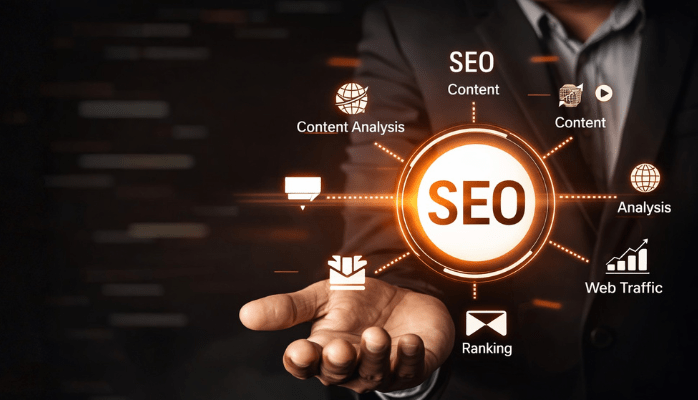
SEO Solutions: How to Improve Your Website’s Visibility
When people search online for products, services or useful information, they often choose from the results on the first page. A well-planned SEO solution can help your website appear more prominently in relevant search results, making it easier for potential customers to find your business.
SEO, or search engine optimisation, is the process of improving a website so that search engines can understand its content and users can find it useful. It combines technical improvements, relevant content and efforts to build the website’s credibility. SEO is not a quick fix, but a consistent approach can support sustainable growth in organic website traffic.
What does an SEO solution include?
Every website has different needs, so an effective SEO solution should begin with an assessment of the site, its audience and its goals. Common areas of work include:
- SEO audits: Reviewing the website to identify technical issues, content gaps and opportunities to improve visibility.
- Keyword research: Finding the words and phrases people use when looking for relevant products or services.
- On-page optimisation: Improving page titles, headings, copy, internal links and image descriptions so pages are clear and relevant.
- Technical SEO: Helping search engines access and understand the site, while improving areas such as page speed, mobile usability and site structure.
- Content development: Creating useful, original content that answers the questions of your target audience.
- Local SEO: Improving a business’s visibility in location-based searches, including searches for nearby services.
- Performance monitoring: Tracking rankings, organic traffic and other meaningful measures to understand what is working.
Why is SEO important for businesses?
SEO can help attract visitors who are already looking for information, products or services related to your business. Unlike some forms of advertising, organic search visibility can continue to bring visitors over time, provided the website remains useful, relevant and well maintained.
A strong SEO strategy can also improve the experience of using your website. Clear navigation, helpful content and fast-loading pages benefit visitors as well as supporting search performance. This can make it easier for people to understand what you offer and take the next step.
Choosing the right SEO solution
The right SEO solution should be based on your objectives, industry, audience and available resources. Before starting, consider what you want to achieve. You may be looking to increase enquiries, improve visibility in a particular area, attract more visitors to key pages or build awareness of your brand.
Look for an approach that explains the work involved and how progress will be measured. SEO providers should be clear about their methods, realistic about timescales and willing to report on results. Be cautious of guarantees of specific rankings or promises of instant success: search engine performance depends on many factors and can take time to improve.
SEO is an ongoing process
Search behaviour, competitors and search engine systems change over time. A website may also evolve as a business adds services, publishes new content or updates its design. For these reasons, SEO is best treated as an ongoing process rather than a one-off task.
Regular reviews can help identify new opportunities, resolve emerging issues and keep content accurate. By combining sound technical foundations with useful content and a clear understanding of your audience, an SEO solution can support your website’s long-term visibility.
Building a lasting online presence
Effective SEO is about more than appearing in search results. It is about helping the right people find your website and giving them a clear, useful experience once they arrive. With defined goals, a practical strategy and consistent improvements, SEO can become a valuable part of your wider digital marketing activity.
8 Essential SEO Tips for Enhancing Your Website’s Performance
- Research keywords your audience actually uses.
- Create useful, original content for each page.
- Write clear page titles and meta descriptions.
- Use descriptive headings and concise URLs.
- Improve page speed and mobile usability.
- Add helpful internal links between related pages.
- Optimise images with descriptive alt text.
- Track rankings and traffic, then refine your approach.
Research keywords your audience actually uses.
Research the keywords your audience actually uses by considering the questions they ask, the problems they want to solve and the words they use to describe your products or services. Keyword research tools, search suggestions and customer feedback can help uncover these terms. Choose relevant phrases that match the purpose of each page, then use them naturally in your headings and content. This helps search engines understand your pages and makes it easier for the right visitors to find useful information—without awkwardly stuffing in keywords.
Create useful, original content for each page.
Create useful, original content for every page of your website, tailored to the needs and questions of its intended audience. Clear, relevant information helps visitors find what they are looking for and gives search engines a better understanding of each page. Avoid copying text from other pages or adding content simply to include keywords; instead, offer accurate details, practical advice and a distinct purpose for every page.
Write clear page titles and meta descriptions.
Write clear, descriptive page titles and meta descriptions to help people and search engines understand what each page offers. Keep titles concise, include the main topic naturally and make every page title unique. Use the meta description to summarise the page accurately and encourage people to click, without making promises the content cannot fulfil. Although meta descriptions do not directly determine rankings, a relevant, compelling summary can help your result stand out in search listings.
Use descriptive headings and concise URLs.
Use descriptive headings and concise URLs to make your website easier to understand for both visitors and search engines. Clear headings organise your content and help readers quickly find the information they need, while short, meaningful URLs indicate what a page is about at a glance. Use relevant words, keep URLs simple and readable, and avoid unnecessary numbers or long strings of characters.
Improve page speed and mobile usability.
Improving page speed and mobile usability can make your website more helpful for visitors and support its SEO performance. Pages that load quickly are less likely to frustrate users, while a mobile-friendly design makes content easier to read and navigate on smaller screens. Compressing images, reducing unnecessary scripts and checking that buttons, menus and text display properly on mobile devices are practical places to start. Regular testing can help you spot issues and keep the experience smooth across different devices.
Add helpful internal links between related pages.
Add helpful internal links between related pages to guide visitors towards useful information and make your website easier to navigate. For example, a service page could link to a relevant case study, pricing information or an in-depth guide. Clear, descriptive link text helps people understand what to expect, while also helping search engines discover how your pages relate to one another. Keep links relevant and useful, rather than adding them simply to increase their number.
Optimise images with descriptive alt text.
Optimise images by adding concise, descriptive alt text that explains what each image shows and how it relates to the page. This helps search engines understand visual content and improves accessibility for people using screen readers. Keep descriptions accurate and natural, include relevant keywords only where they genuinely fit, and leave decorative images with empty alt text so they do not create unnecessary distractions.
Track rankings and traffic, then refine your approach.
Track your search rankings and website traffic regularly to see which pages and keywords are performing well, and where there’s room to improve. Look beyond rankings alone: engagement, enquiries and conversions can reveal whether visitors are finding what they need. Use these insights to refine your SEO approach, update underperforming content, strengthen successful pages and respond to changes in search behaviour.
Related Posts

Unlocking Success: SEO Strategies for Startups in the Digital Arena
SEO for Startups: A Guide to Boosting Online Visibility SEO…

Unlocking Success: Mastering Google SEO Strategies for Website Optimization
Understanding Google SEO: A Guide to Optimizing Your Website Understanding…
Enhancing Startup Success: Professional SEO Services for Startups
SEO Services for Startups The Importance of SEO Services for…