
Understanding Basic SEO: A Beginner’s Guide
In today’s digital age, having a strong online presence is crucial for businesses and individuals alike. Search Engine Optimization (SEO) plays a key role in improving your website’s visibility on search engines like Google, making it easier for potential visitors to find you. If you’re new to the world of SEO, here is a beginner’s guide to help you get started.
What is SEO?
SEO is the practice of optimizing your website to increase its visibility in organic (non-paid) search engine results. By implementing various strategies and techniques, you can improve your website’s ranking for relevant keywords, driving more traffic and potential customers to your site.
Key Elements of Basic SEO:
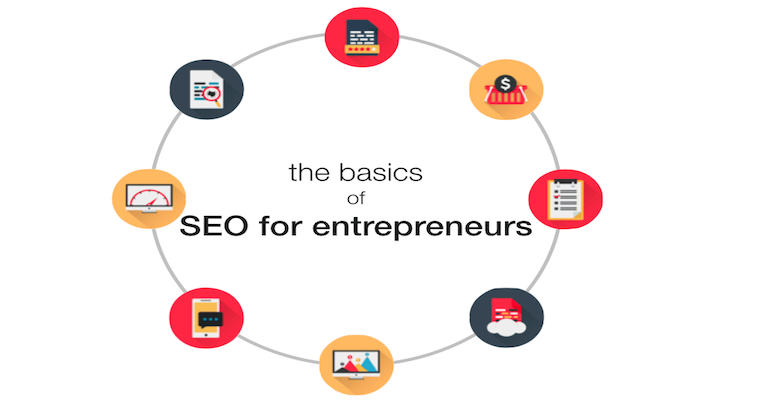
- Keyword Research: Identify relevant keywords that your target audience is likely to use when searching for products or services similar to yours.
- On-Page SEO: Optimise your website’s content, meta tags, headings, and images with targeted keywords to make it more search engine-friendly.
- Off-Page SEO: Build quality backlinks from reputable websites to improve your site’s authority and credibility in the eyes of search engines.
- Technical SEO: Ensure that your website is technically sound by optimizing its speed, mobile-friendliness, and site structure for better user experience.
- Content Creation: Produce high-quality, relevant content that provides value to your audience and encourages engagement and sharing.
The Importance of SEO:
Implementing basic SEO practices can have a significant impact on your website’s visibility and performance. By improving your ranking on search engine results pages (SERPs), you can attract more organic traffic, increase brand awareness, and ultimately boost conversions and sales.
In Conclusion
Basic SEO is an essential tool for anyone looking to enhance their online presence and reach a wider audience. By understanding the fundamentals of SEO and implementing best practices on your website, you can improve its visibility, attract more visitors, and achieve your online goals effectively.
Essential SEO Tips: A Beginner’s Guide to Boosting Your Website’s Visibility
- 1. Conduct keyword research to identify relevant terms for your content.
- 2. Optimise your website’s meta tags, including title tags and meta descriptions.
- 3. Create high-quality, original content that provides value to your audience.
- 4. Use internal linking to help search engines navigate your site and understand its structure.
- 5. Improve website loading speed for better user experience and SEO performance.
- 6. Optimise images by using descriptive filenames and alt text to improve visibility in image searches.
- 7. Build backlinks from reputable websites to increase your site’s authority and credibility.
- 8. Monitor your SEO performance regularly using tools like Google Analytics to track progress and make adjustments.
1. Conduct keyword research to identify relevant terms for your content.
Conducting keyword research is a fundamental step in basic SEO strategy. By identifying relevant terms and phrases that your target audience is likely to use when searching for information related to your content, you can optimise your website to attract more organic traffic. Understanding the keywords that resonate with your audience allows you to create valuable and targeted content that aligns with their search intent, ultimately improving your website’s visibility and ranking on search engine results pages.
2. Optimise your website’s meta tags, including title tags and meta descriptions.
To enhance your website’s search engine visibility, it is crucial to optimise your meta tags, such as title tags and meta descriptions. These elements provide search engines with valuable information about the content of each page on your site. By incorporating relevant keywords and compelling descriptions into your meta tags, you can improve the chances of your pages appearing in search results and attract more organic traffic to your website. Effective meta tag optimisation is a fundamental aspect of basic SEO that can significantly impact your site’s overall performance and ranking.
3. Create high-quality, original content that provides value to your audience.
Creating high-quality, original content that offers genuine value to your target audience is a fundamental aspect of basic SEO. By producing engaging and informative content that resonates with your visitors, you not only improve your website’s relevance and authority in the eyes of search engines but also establish credibility and trust with your audience. Quality content that addresses their needs, answers their questions, or solves their problems not only attracts more organic traffic but also encourages engagement, sharing, and ultimately leads to better SEO performance and increased conversions.
4. Use internal linking to help search engines navigate your site and understand its structure.
Using internal linking is a fundamental aspect of basic SEO strategy. By strategically linking relevant pages within your website, you not only help users navigate your site more easily but also assist search engines in understanding the structure and hierarchy of your content. Internal links establish connections between different pages, signalling to search engines which pages are important and how they relate to each other. This practice can improve the overall crawlability of your site and enhance the user experience, ultimately contributing to better search engine rankings and visibility for your website.
5. Improve website loading speed for better user experience and SEO performance.
Improving website loading speed is a critical aspect of basic SEO. A faster loading website not only enhances user experience by providing visitors with quick access to content but also contributes to better SEO performance. Search engines like Google consider page speed as a ranking factor, prioritizing websites that load quickly. By optimising your website’s loading speed, you can not only keep users engaged but also improve your chances of ranking higher in search engine results, ultimately driving more organic traffic to your site.
6. Optimise images by using descriptive filenames and alt text to improve visibility in image searches.
Optimising images is a crucial aspect of basic SEO. By using descriptive filenames and alt text for your images, you can significantly enhance your website’s visibility in image searches. Search engines rely on this information to understand the content of your images, making it easier for them to index and display your visuals to users searching for relevant content. By incorporating targeted keywords into your image filenames and alt text, you not only improve the accessibility of your website for visually impaired users but also boost your chances of appearing in search results related to those keywords.
7. Build backlinks from reputable websites to increase your site’s authority and credibility.
Building backlinks from reputable websites is a crucial aspect of basic SEO. By securing links from trusted sources, you can enhance your site’s authority and credibility in the eyes of search engines. Backlinks act as a vote of confidence for your website, indicating to search engines that your content is valuable and trustworthy. This can result in improved rankings on search engine results pages and ultimately drive more organic traffic to your site. Therefore, investing time and effort in acquiring quality backlinks is essential for boosting your SEO performance and establishing a strong online presence.
8. Monitor your SEO performance regularly using tools like Google Analytics to track progress and make adjustments.
Monitoring your SEO performance regularly is crucial for assessing the effectiveness of your strategies and making necessary adjustments to improve results. Utilizing tools like Google Analytics allows you to track key metrics such as website traffic, user behaviour, and keyword performance. By analysing this data, you can gain valuable insights into what’s working well and identify areas that may need attention. Continuous monitoring and analysis enable you to refine your SEO tactics, stay ahead of the competition, and ultimately enhance your website’s visibility and performance in search engine results.
Related Posts

Unlocking Success: The Role of a Local Search Engine Optimization Company
The Importance of Local Search Engine Optimization Companies The Importance…
The Evolution of Search Engine Companies in the Digital Era
The Role of Search Engine Companies in the Digital Age…

Unlocking Online Success: The Expertise of a Professional SEO Consultant
The Role of a Professional SEO Consultant in Boosting Online…