
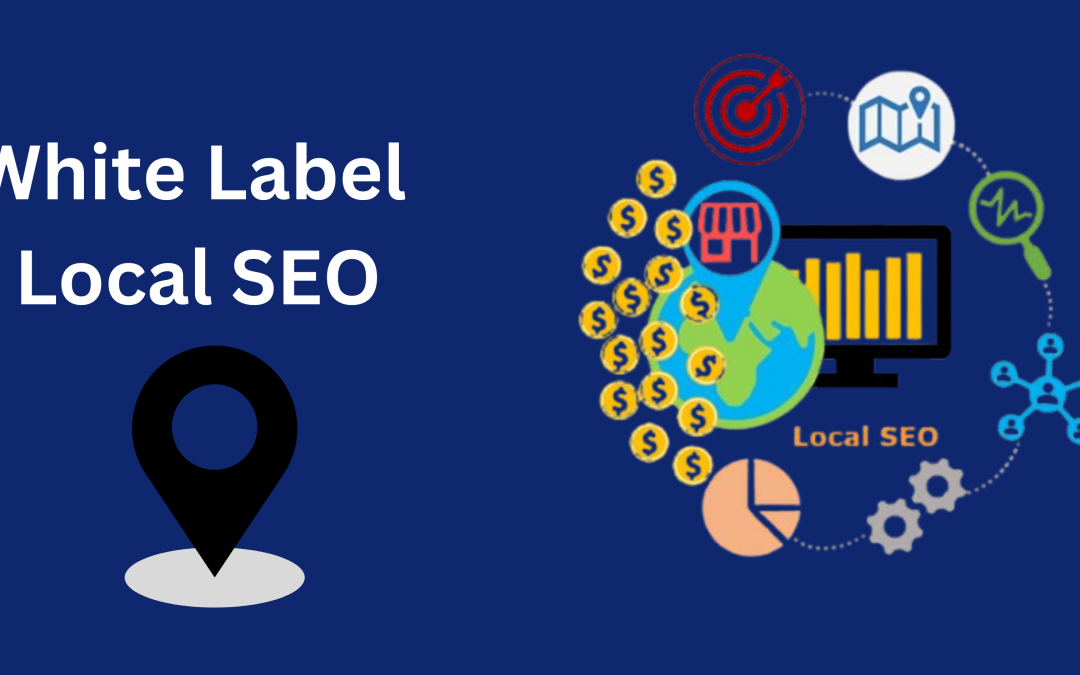
White Label Local SEO: A Practical Guide for Agencies
Local search engine optimisation can help businesses appear when people nearby search for the services they offer. For marketing agencies, providing this work can be valuable—but building an in-house SEO team takes time, expertise and ongoing investment. White label local SEO offers another option: an agency partners with a specialist provider to deliver local SEO services under its own brand.
Used well, it can help an agency broaden its offering while keeping client relationships and communications in its own hands. Here’s how white label local SEO works, what it can include and what to consider before choosing a provider.
What is white label local SEO?
White label local SEO is a business-to-business arrangement in which an SEO provider carries out local search work for an agency. The agency presents the service to its clients under its own name, while the specialist partner works behind the scenes.
The exact arrangement varies. A provider might handle strategy and implementation, supply reports for the agency to present, or offer recommendations that the agency’s own team puts into action. Responsibilities should be agreed in advance, including who speaks to the client, who makes changes to websites and business listings, and who is accountable for delivery.
What can a white label local SEO service include?
Local SEO is not one task. It involves improving a business’s visibility in geographically relevant searches and making it easier for potential customers to find accurate, useful information. Depending on the provider and the client’s needs, a service may include:
- Local SEO audits: Reviewing a business’s website, local search presence, competitors and existing optimisation.
- Google Business Profile support: Helping to improve profile information, categories, services, images and updates, in line with platform guidelines.
- Local keyword research: Identifying the searches that are relevant to a business, its services and the areas it serves.
- On-page optimisation: Improving website pages, titles, headings, internal links and location-specific content where appropriate.
- Citation and listing management: Checking that business details, such as name, address and phone number, are accurate and consistent across relevant directories.
- Review support: Advising on ethical ways to encourage genuine customer reviews and respond to feedback.
- Local link building: Identifying relevant opportunities to earn links from local organisations, publications or industry websites.
- Reporting: Providing clear updates on work completed, visibility, website activity and agreed measures of progress.
Not every business needs every activity. A single-location trades business, a professional practice and a multi-location retailer will have different requirements. A good strategy starts with the client’s situation rather than a fixed package of generic tasks.
Why agencies use white label local SEO
Expand services without hiring immediately
Hiring experienced specialists can be a significant commitment, particularly when demand is uncertain. A white label partner can give an agency access to expertise and delivery capacity without requiring it to build a full local SEO department from the outset.
Keep the client relationship in-house
In a typical white label arrangement, the agency remains the client’s main point of contact. It can present recommendations, coordinate activity with other marketing work and maintain a consistent experience across its services.
Support more clients as demand grows
A specialist partner may help an agency handle additional projects or busy periods. This can make it easier to take on new work, provided the provider has enough capacity and the agency sets realistic expectations with clients.
Focus internal resources where they add most value
Outsourcing some technical or operational tasks can free an agency’s team to concentrate on planning, client service, creative work or other areas of expertise. The aim is not simply to pass work elsewhere, but to use specialist support in a way that improves the overall service.
How to choose a white label local SEO provider
The quality of the delivery partner reflects on the agency’s brand. Before entering an agreement, assess both the provider’s expertise and the way it works.
- Ask for a clear scope of work. Confirm what is included, what is excluded and what requires additional fees.
- Understand the process. Find out how the provider researches, prioritises and carries out its work, and what input it needs from the agency or client.
- Check communication and reporting. Reports should be understandable, timely and relevant to business goals—not just filled with unexplained metrics.
- Discuss account access and ownership. Clarify who owns website content, analytics data, business listings and other accounts, and how access will be managed if the relationship ends.
- Ask how work is reviewed. Understand who checks changes for accuracy, quality and compliance before they are delivered.
- Look for realistic expectations. Local SEO outcomes depend on factors such as competition, location, website condition and the client’s market. Be cautious of guaranteed rankings or instant results.
- Check capacity and continuity. Ask who will work on the account, how many clients they support and what happens if the usual contact is unavailable.
- Agree on confidentiality. Set out how client information will be stored, used and protected, and whether the provider may contact clients directly.
Set expectations with clients from the start
White label delivery works best when the agency can explain the service clearly. Clients should understand what will be done, why it matters, what they need to provide and how progress will be assessed.
It is also important to distinguish between activity and outcomes. Completing an audit or updating a business profile is work delivered; increased calls, enquiries or revenue are business outcomes that may be influenced by many factors. Reporting should show progress towards agreed goals without suggesting that any single SEO task guarantees a particular result.
For local businesses, useful measures might include relevant organic traffic, actions from a business profile, enquiries, calls, bookings or visibility for agreed searches. The most appropriate measures depend on how the business attracts and serves customers.
Common pitfalls to avoid
Choosing on price alone
A low-cost package may not include meaningful research, careful implementation or adequate communication. Compare the actual scope and quality of delivery, not just the monthly fee.
Using the same plan for every client
Local SEO requires context. A national company with several branches has different needs from a local dentist or an independent electrician. Strategies should reflect the client’s locations, customers, services and competitive environment.
Overlooking guidelines
Local search platforms have rules on business representation, reviews and other practices. Shortcuts such as fake reviews, misleading addresses or inappropriate keyword-stuffed business names can put a client’s visibility and reputation at risk. A provider should be able to explain how it works within relevant guidelines.
Leaving responsibilities unclear
If the agency, provider and client each assume that someone else is responsible for approvals, content or account access, important tasks can be delayed or missed. Agree roles and approval steps before work begins.
Making white label local SEO work
A successful partnership depends on more than producing reports or completing a checklist. The agency needs to understand the client’s goals, the provider needs to deliver considered work, and both parties need to communicate clearly.
Before launching the service, define the target clients, package structure, pricing, onboarding process and reporting format. Start with a manageable number of projects, review the workflow and gather feedback before expanding. This gives the agency a chance to improve delivery while protecting the quality of its client relationships.
Conclusion
White label local SEO can help marketing agencies offer specialist local search services under their own brand without immediately building every capability in-house. It can also introduce new risks if responsibilities, standards and expectations are not clearly defined.
The strongest approach is to choose a transparent, capable partner; tailor the work to each client; and report on meaningful progress without promising guaranteed rankings. With the right processes in place, white label local SEO can become a considered extension of an agency’s service offering.
Essential FAQs on White Label Local SEO: Strategies, Benefits, and Providers
- What is the best way to do local SEO?
- What is included in local SEO?
- How do I rank locally in SEO?
- What is meant by local SEO?
- What is a local SEO?
- What is white Labelling in SEO?
- Is doing a local SEO worth it?
- What is localized SEO?
- What three things are involved in local SEO?
- Why white label SEO?
- What is local SEO with example?
- How can I promote my local SEO?
- How do I sell local SEO?
- Who are the best white label SEO providers?
- What are the benefits of white label SEO?
- How do I choose a white label SEO?
What is the best way to do local SEO?
The best way to do local SEO is to make it easy for nearby customers to find accurate, useful information about your business. Keep your Google Business Profile complete and up to date, ensure your name, address and phone number are consistent across relevant directories, and create helpful website content for the services and areas you cover. Encourage genuine customer reviews, respond professionally to feedback and build relevant local links. Track meaningful results, such as enquiries, calls and bookings, and refine your approach over time. There is no one-size-fits-all formula, so focus on the needs of your customers and follow search engine guidelines.
What is included in local SEO?
Local SEO typically includes optimising a business’s Google Business Profile, researching relevant local keywords, improving location and service pages, and checking that business details are accurate across online directories. It may also involve managing local citations, supporting genuine customer reviews, building relevant local links and tracking results such as search visibility, website visits, calls and enquiries. The exact work depends on the business, its locations and the local competition. In a white label arrangement, a specialist provider carries out some or all of these activities on behalf of an agency, which delivers the service under its own brand.
How do I rank locally in SEO?
To improve your local SEO rankings, make sure your Google Business Profile is complete, accurate and kept up to date, and ensure your business name, address and phone number are consistent across your website and relevant directories. Create useful pages that explain your services and the areas you serve, use location-specific keywords naturally, and make your website mobile-friendly. Encourage genuine customer reviews and respond professionally, while earning relevant links from trusted local organisations and websites. Local SEO takes time, and results depend on factors such as competition and location, so monitor calls, enquiries and visibility regularly and refine your approach.
What is meant by local SEO?
Local SEO is the process of improving a business’s visibility in search results for people looking for products or services in a particular area. It can include optimising a Google Business Profile, improving location-specific website content, managing online business listings and encouraging genuine customer reviews. The aim is to help nearby customers find accurate information about the business when they’re ready to visit, call or make an enquiry.
What is a local SEO?
Local SEO is the process of improving a business’s visibility in search results for location-based searches, such as “plumber near me” or “accountant in Bristol”. It can include optimising a Google Business Profile, improving relevant website pages, keeping business details consistent across online directories and earning genuine customer reviews. The aim is to help nearby customers find accurate information about the business and take action, such as calling, visiting or making an enquiry.
What is white Labelling in SEO?
White labelling in SEO is when one company provides search engine optimisation services that another company sells under its own brand. In white label local SEO, a specialist provider may carry out work such as local keyword research, Google Business Profile optimisation and reporting, while the agency manages the client relationship and presents the service as its own. The exact responsibilities vary, so both parties should agree who handles delivery, communication and approvals.
Is doing a local SEO worth it?
Yes, local SEO can be worthwhile for businesses that rely on customers in a particular area. It can help improve visibility when people nearby search for relevant products or services, making it easier for potential customers to find key details such as opening hours, location and contact information. Results depend on factors including local competition, the quality of the website and business listings, and how consistently the strategy is carried out, so it is best viewed as a longer-term investment rather than a quick fix. With white label local SEO, an agency can provide this expertise under its own brand while a specialist partner handles some or all of the delivery.
What is localized SEO?
Localized SEO, also known as local SEO, is the process of improving a business’s visibility in search results for people looking for products or services in a particular area. It can involve optimising a Google Business Profile, adding relevant local information to a website, keeping business details consistent across directories and earning genuine customer reviews. The aim is to help nearby customers find accurate information about the business when they search locally.
What three things are involved in local SEO?
Three key elements of local SEO are your Google Business Profile, your website and your business’s online reputation. Keeping your profile accurate and complete helps customers find essential details, while locally relevant website content helps search engines understand what you offer and where you operate. Positive, genuine customer reviews—and thoughtful responses to them—can also build trust and support your local visibility.
Why white label SEO?
White label SEO allows an agency to offer specialist search optimisation services under its own brand without having to build a full in-house team. By partnering with an experienced provider, agencies can extend their services, manage extra client work and draw on specialist skills while keeping the client relationship in their own hands. It can also free the agency’s team to focus on strategy and customer service. The arrangement works best when responsibilities, quality standards and reporting are clearly agreed, and when clients are given realistic expectations about results.
What is local SEO with example?
Local SEO helps a business appear in search results when people look for nearby products or services. For example, if someone searches for “plumber in Bristol”, local SEO can help a Bristol plumbing company show up in relevant Google results and on Google Maps. This may involve keeping its Google Business Profile accurate, adding useful location information to its website and ensuring its contact details are consistent across online directories.
How can I promote my local SEO?
You can promote your local SEO service by clearly explaining the value it offers local businesses, such as helping nearby customers find them in search results and on Google Maps. Share useful tips and case studies on your website and social channels, build relationships with local business networks, and offer an SEO audit or consultation to start conversations with potential clients. If you use a white label provider, present the service under your agency’s brand and make sure your claims are realistic, transparent and supported by the work you deliver.
How do I sell local SEO?
Sell local SEO by starting with the business’s goals and showing how better local visibility could help attract nearby customers—not by promising a particular ranking. Identify practical opportunities, such as improving its Google Business Profile, website location pages, local listings and review process, then explain what you’ll do, how often you’ll report progress and which measures matter, such as calls, enquiries or bookings. Offer a clear scope and price, set realistic expectations about timescales, and tailor the service to the business’s locations and competition. If you use a white label provider, make sure you understand its work well enough to explain the value confidently and answer your client’s questions.
Who are the best white label SEO providers?
There’s no single best white label SEO provider for every agency; the right choice depends on your clients, budget and the level of support you need. Compare providers on the quality and transparency of their work, local SEO expertise, communication, reporting, pricing and ability to tailor services to different businesses. Ask how they handle Google Business Profiles, citations, reviews and multi-location campaigns, and look for realistic expectations rather than guaranteed rankings. Before committing, check references or case studies and make sure responsibilities, account access and client confidentiality are clearly agreed.
What are the benefits of white label SEO?
White label SEO allows an agency to offer specialist search optimisation services under its own brand without having to build a full in-house team. It can provide access to experienced professionals, increase delivery capacity and help the agency serve more clients while its own team focuses on strategy and client relationships. It may also reduce the time and cost involved in expanding services, although results depend on choosing a reliable provider and setting clear expectations about responsibilities, quality and reporting.
How do I choose a white label SEO?
To choose a white label SEO provider, look for proven experience in local search, clear service packages and transparent reporting. Ask how they approach audits, Google Business Profiles, local citations and reviews, and check that their methods follow search engine guidelines. Clarify pricing, turnaround times, communication, account access and who owns the work and data. A reliable partner will tailor recommendations to each client, set realistic expectations and avoid guarantees of specific rankings.
Related Posts
Maximising Your Website Ranking Potential in the Digital Landscape
The Importance of Website Ranking in the Digital Age The…

Unlocking Online Success: The Expertise of a Professional SEO Company
The Benefits of Hiring a Professional SEO Company The Benefits…

Unlocking the Potential: SEO and SEM Marketing Strategies for Success
The Power of SEO and SEM Marketing The Power of…