
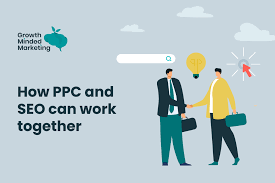
SEO and PPC Management: Building a Stronger Digital Marketing Strategy
When people search online for a product or service, businesses need to be visible at the right moment. Search engine optimisation (SEO) and pay-per-click advertising (PPC) are two ways to reach potential customers through search engines. Each has a different approach, but managing them together can create a more effective digital marketing strategy.
What is SEO?
SEO is the process of improving a website so it is more likely to appear prominently in unpaid search results. It combines technical improvements, useful content and signals that help search engines understand a website and its relevance to a search.
SEO management may include:
- Researching the terms people use when looking for relevant products or services
- Improving page titles, headings, descriptions and on-page content
- Making a website faster, easier to use and accessible on mobile devices
- Creating helpful content that answers customers’ questions
- Improving the website’s structure and internal links
- Monitoring rankings, website traffic and technical health
SEO is usually a long-term investment. Results can take time, and search rankings may change as competitors and search engine algorithms evolve. However, well-managed SEO can help a business attract relevant visitors without paying for every click.
What is PPC?
PPC is a form of online advertising where an advertiser generally pays when someone clicks on an advert. Search advertising is a common type of PPC: adverts can appear alongside search results when someone searches for selected terms.
PPC management involves planning, setting up and improving campaigns. This can include choosing keywords, writing adverts, setting budgets, defining locations and audiences, and creating landing pages that encourage visitors to take action.
Because paid adverts can begin generating visibility as soon as a campaign is active, PPC can be useful for promoting time-sensitive offers, reaching specific audiences or testing demand. Careful management is essential, though. Poorly targeted campaigns can spend budget on clicks that are unlikely to become customers.
SEO and PPC: key differences
The main difference is how visibility is earned. SEO focuses on improving unpaid search results, while PPC uses paid adverts. SEO may take longer to build momentum, whereas PPC can provide quicker exposure while a campaign is running.
Neither channel guarantees results. SEO requires consistent work and patience; PPC requires a controlled budget, relevant targeting and ongoing optimisation. The right balance depends on a business’s goals, competition, budget and timescales.
Why manage SEO and PPC together?
SEO and PPC are often treated as separate activities, but they can support one another. PPC can provide early insight into which search terms attract clicks and enquiries. That information may help guide SEO content planning. Meanwhile, strong organic visibility can complement paid adverts and give potential customers more than one way to find a business.
Managing both channels together can also help businesses make better decisions about where to invest. For example, a business might use PPC to test a new service or target a competitive search term, while building longer-term SEO visibility around relevant topics.
What effective management involves
Clear objectives
Before launching activity, decide what success means. Objectives might include increasing qualified enquiries, generating online sales, raising awareness in a particular area or attracting visitors to specific pages. Clear goals make it easier to choose the right tactics and assess performance.
Relevant keyword research
Keyword research helps identify what potential customers are searching for and how they phrase their queries. It should consider intent as well as search volume. Someone searching for general information may be at a different stage from someone comparing providers or ready to make a purchase.
Useful landing pages
Sending visitors to a relevant, well-designed page is important for both SEO and PPC. The page should address the visitor’s needs, explain the offer clearly and make the next step easy. That might mean making a purchase, requesting a quote or getting in touch.
Ongoing testing and improvement
Search behaviour, competition and campaign performance can change. Regular reviews help identify what is working and what needs attention. PPC adverts and landing pages can be tested, while SEO work may involve updating content, fixing technical issues or improving internal links.
Meaningful measurement
Clicks and rankings can offer useful context, but they are not the whole picture. Businesses should also monitor measures such as qualified leads, sales, conversion rates and cost per enquiry. Connecting marketing data with business outcomes helps show whether activity is delivering value.
Choosing an approach for your business
SEO and PPC management should reflect your audience, resources and commercial priorities. A new business may use PPC to gain initial visibility while developing its organic presence. An established business may focus on improving SEO, refining existing campaigns or using both channels to reach different customer groups.
The most effective strategy is rarely a one-size-fits-all plan. It begins with understanding the business and its customers, then uses reliable data to guide decisions and improve performance over time.
Conclusion
SEO and PPC offer different routes to visibility in search engines. SEO builds long-term organic presence, while PPC can provide targeted paid exposure. With clear objectives, relevant content and regular performance reviews, the two channels can work together to attract the right visitors and support business growth.
9 Practical Tips for Effective SEO and PPC Management
- Research keywords before creating content or ads.
- Write clear, useful page titles and meta descriptions.
- Improve page speed and mobile usability.
- Build relevant links from reputable websites.
- Group PPC keywords by search intent.
- Use negative keywords to reduce wasted ad spend.
- Test ad copy and landing pages regularly.
- Track conversions, not just clicks.
- Review SEO and PPC performance every month.
Research keywords before creating content or ads.
Research keywords before creating content or ads to understand what your audience is searching for and how they phrase their queries. Look beyond search volume: consider the intent behind each term, its relevance to your products or services, and how competitive it is. This helps you create useful content that answers real questions and build PPC campaigns that reach people who are more likely to take action, making better use of your time and budget.
Write clear, useful page titles and meta descriptions.
Write clear, useful page titles and meta descriptions to help people understand what each page offers before they visit. Include the main topic naturally, keep the wording relevant to the page, and make each title and description distinctive. For SEO, this can improve how your pages appear in search results and encourage more relevant clicks; for PPC, consistent messaging between adverts and landing pages helps set clear expectations and can support a better user experience. Neither guarantees higher rankings or ad performance, so review and refine them using search and campaign data.
Improve page speed and mobile usability.
Improve page speed and mobile usability to give visitors a smoother experience and help your SEO and PPC campaigns perform more effectively. Pages that load quickly and work well on smartphones make it easier for people to find information, complete a purchase or get in touch. They can also reduce the likelihood of visitors leaving before the page loads, making the most of the traffic your campaigns attract. Compress images, minimise unnecessary scripts and test your site on different devices to spot issues and keep the experience clear and responsive.
Build relevant links from reputable websites.
Build relevant links from reputable websites to strengthen your SEO and support your wider search strategy. Links from trusted, well-regarded sites can help search engines understand your website’s credibility and may also bring in visitors who are genuinely interested in your products or services. Focus on earning links naturally through useful content, genuine partnerships and relevant industry coverage, rather than buying links or relying on low-quality link schemes. While links do not directly improve PPC ad rankings, strong, relevant content can support the customer journey by giving people more helpful information after they click an advert.
Group PPC keywords by search intent.
Group PPC keywords by search intent so each advert speaks directly to what the person is looking for. For example, someone researching options needs different messaging from someone comparing providers or ready to buy. Organise keywords into focused ad groups, then match each group with relevant advert copy and a suitable landing page. This can improve relevance, make campaigns easier to manage and help you assess which searches are generating valuable results.
Use negative keywords to reduce wasted ad spend.
Use negative keywords to prevent your PPC adverts appearing for searches that are irrelevant to your business. For example, if you sell premium products, terms such as “free” or “cheap” may attract clicks from people who are unlikely to buy. Review your search-term reports regularly to spot unsuitable queries, then add appropriate negative keywords to your campaigns. This helps reduce wasted ad spend and focus your budget on searches with a better chance of generating valuable enquiries or sales.
Test ad copy and landing pages regularly.
Test ad copy and landing pages regularly to find out what resonates with your audience and encourages them to take action. Try different headlines, calls to action and page layouts, changing one element at a time where possible so you can identify what makes a difference. Use results such as click-through rates, conversions and cost per lead to guide improvements, and apply useful insights to both your PPC campaigns and SEO content.
Track conversions, not just clicks.
Track conversions, not just clicks. Clicks show that people are visiting your website, but they don’t reveal whether those visitors are taking valuable actions, such as making a purchase, submitting an enquiry or booking a consultation. Set up conversion tracking across your SEO and PPC activity to understand which keywords, pages and campaigns are contributing to business goals. This helps you focus your budget and optimisation efforts on what delivers meaningful results, rather than simply generating more traffic.
Review SEO and PPC performance every month.
Review SEO and PPC performance every month to understand what is working and where improvements are needed. Look beyond rankings and clicks by checking useful measures such as qualified enquiries, sales, conversion rates and cost per lead. Use these insights to refine keyword targeting, update content, adjust advertising budgets and improve landing pages. Regular reviews help keep activity aligned with your business goals, while allowing enough time to spot meaningful trends rather than reacting to every short-term fluctuation.
Related Posts
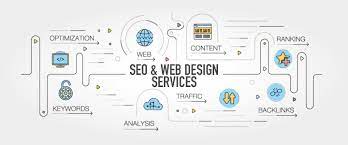
Maximising Online Impact: The Synergy of Website Design and SEO Strategies
Website Design and SEO: The Perfect Duo for Online Success…
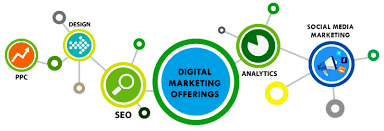
Unlocking the Potential: SEO Strategies for Effective Digital Marketing
The Power of SEO in Digital Marketing The Power of…

Maximising Online Success with Tailored Ecommerce SEO Services
The Power of Ecommerce SEO Services The Power of Ecommerce…