
The Importance of SEO: On-Page and Off-Page Strategies
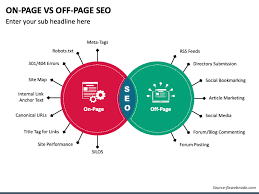
Search Engine Optimization (SEO) plays a crucial role in improving a website’s visibility and ranking on search engine results pages. There are two main aspects of SEO that work together to enhance a website’s performance: on-page SEO and off-page SEO.
On-Page SEO
On-page SEO involves optimizing various elements within a website to improve its search engine rankings. This includes:
- Keyword research and optimization: Identifying relevant keywords and strategically placing them in the content, meta tags, headings, and URLs.
- Quality content creation: Producing high-quality, relevant, and engaging content that provides value to users.
- Meta tags optimization: Writing compelling meta titles and descriptions that accurately represent the content of the page.
- Internal linking: Creating a logical internal linking structure to help search engines understand the website’s hierarchy and improve user navigation.
- Optimizing images: Using descriptive filenames, alt text, and captions for images to enhance accessibility and improve search engine visibility.
Off-Page SEO
Off-page SEO focuses on external factors that influence a website’s ranking in search engine results. This includes:
- Backlink building: Acquiring high-quality backlinks from reputable websites to establish credibility and authority.
- Social media marketing: Leveraging social media platforms to promote content, engage with audiences, and drive traffic back to the website.
- Online reputation management: Monitoring online reviews, mentions, and discussions about the brand to maintain a positive online reputation.
- Citation building: Ensuring consistent business information across online directories to improve local search visibility.
Both on-page and off-page SEO are essential components of a comprehensive digital marketing strategy. By implementing effective strategies in both areas, websites can improve their search engine rankings, attract more organic traffic, and ultimately achieve their online goals.
Contact us today to learn more about how we can help you enhance your website’s SEO performance through our tailored on-page and off-page strategies.
9 Essential SEO Tips for Optimising On-Page and Off-Page Strategies
- Ensure each page has a unique, descriptive title tag.
- Use header tags (H1, H2, etc.) to structure content logically.
- Optimise images with descriptive alt text and appropriate file names.
- Incorporate relevant keywords naturally throughout the content.
- Improve site speed by compressing images and using browser caching.
- Write compelling meta descriptions to improve click-through rates.
- Include internal links to help users navigate related content easily.
- Utilise schema markup to enhance search result visibility.
- Build high-quality backlinks from reputable websites in your niche.
Ensure each page has a unique, descriptive title tag.
Ensuring that each page on your website has a unique and descriptive title tag is a crucial aspect of both on-page and off-page SEO strategies. A well-crafted title tag not only helps search engines understand the content of the page but also entices users to click through to your website from search engine results pages. By including relevant keywords and providing a clear indication of what the page is about, you can improve your website’s visibility and attract more organic traffic. Remember, the title tag is often the first thing users see when browsing search results, so make it compelling and informative to drive engagement and enhance your SEO efforts.
Use header tags (H1, H2, etc.) to structure content logically.
Utilising header tags, such as H1 and H2, is a fundamental aspect of effective on-page and off-page SEO strategies. By structuring content logically with header tags, websites can enhance readability for both users and search engines. The use of header tags not only helps to organise content into sections and sub-sections but also signals the importance of specific information to search engine crawlers. This practice not only improves user experience by making content easier to navigate but also contributes to better search engine visibility and ranking. By incorporating header tags thoughtfully throughout the content, websites can boost their SEO efforts and provide a more engaging experience for visitors.
Optimise images with descriptive alt text and appropriate file names.
Optimising images with descriptive alt text and appropriate file names is a crucial aspect of both on-page and off-page SEO strategies. By providing detailed alt text, you not only improve accessibility for visually impaired users but also give search engines valuable information about the content of the image. Additionally, using relevant keywords in file names can help search engines understand the context of the image and improve its visibility in image searches. This simple yet effective tip can significantly enhance your website’s overall SEO performance and user experience.
Incorporate relevant keywords naturally throughout the content.
To enhance the effectiveness of both on-page and off-page SEO strategies, it is crucial to incorporate relevant keywords naturally throughout the content. By seamlessly integrating targeted keywords into the website’s content, meta tags, headings, and URLs, businesses can improve their search engine visibility and attract organic traffic. This practice not only helps search engines understand the relevance of the content but also enhances user experience by providing valuable and informative material. Carefully selecting and strategically placing keywords ensures that the website ranks higher in search results, ultimately driving more qualified traffic to the site.
Improve site speed by compressing images and using browser caching.
To enhance your website’s SEO performance, consider improving site speed by implementing two key strategies: compressing images and utilizing browser caching. Compressing images reduces their file sizes without compromising quality, allowing web pages to load faster and improve user experience. Additionally, setting up browser caching instructs browsers to store static resources locally, reducing loading times for returning visitors. By optimising these elements, you can boost your site’s speed, enhance search engine rankings, and provide a smoother browsing experience for your audience.
Write compelling meta descriptions to improve click-through rates.
Crafting compelling meta descriptions is a crucial aspect of on-page SEO that can significantly impact click-through rates. A well-written meta description not only summarises the content of a webpage but also entices users to click on the link by offering a glimpse of what they can expect. By incorporating relevant keywords and a compelling call-to-action, businesses can increase their visibility in search engine results and attract more organic traffic. Investing time and effort in creating engaging meta descriptions can ultimately lead to higher click-through rates and improved overall SEO performance.
Include internal links to help users navigate related content easily.
Including internal links in your website’s content is a valuable SEO strategy that not only helps search engines understand the hierarchy and relevance of your pages but also enhances user experience by allowing them to navigate related content easily. By strategically placing internal links within your content, you can guide users to other relevant pages on your website, keeping them engaged and encouraging further exploration. This not only improves the overall usability of your site but also boosts SEO performance by increasing the time users spend on your website and reducing bounce rates.
Utilise schema markup to enhance search result visibility.
Utilising schema markup is a powerful tip to enhance search result visibility through both on-page and off-page SEO strategies. By implementing schema markup on your website, you provide search engines with additional context about your content, helping them understand the relevance and significance of your pages. This can lead to rich snippets appearing in search results, which can attract more clicks and improve your overall visibility. Incorporating schema markup is a proactive approach to optimising your website for search engines and ensuring that your content stands out in the competitive online landscape.
Build high-quality backlinks from reputable websites in your niche.
Building high-quality backlinks from reputable websites within your niche is a crucial tip for both on-page and off-page SEO strategies. By obtaining backlinks from authoritative sources related to your industry, you not only enhance your website’s credibility and trustworthiness in the eyes of search engines but also drive targeted traffic to your site. These backlinks act as votes of confidence, indicating to search engines that your content is valuable and relevant. This can ultimately lead to improved search engine rankings and increased visibility for your website among your target audience.
Related Posts
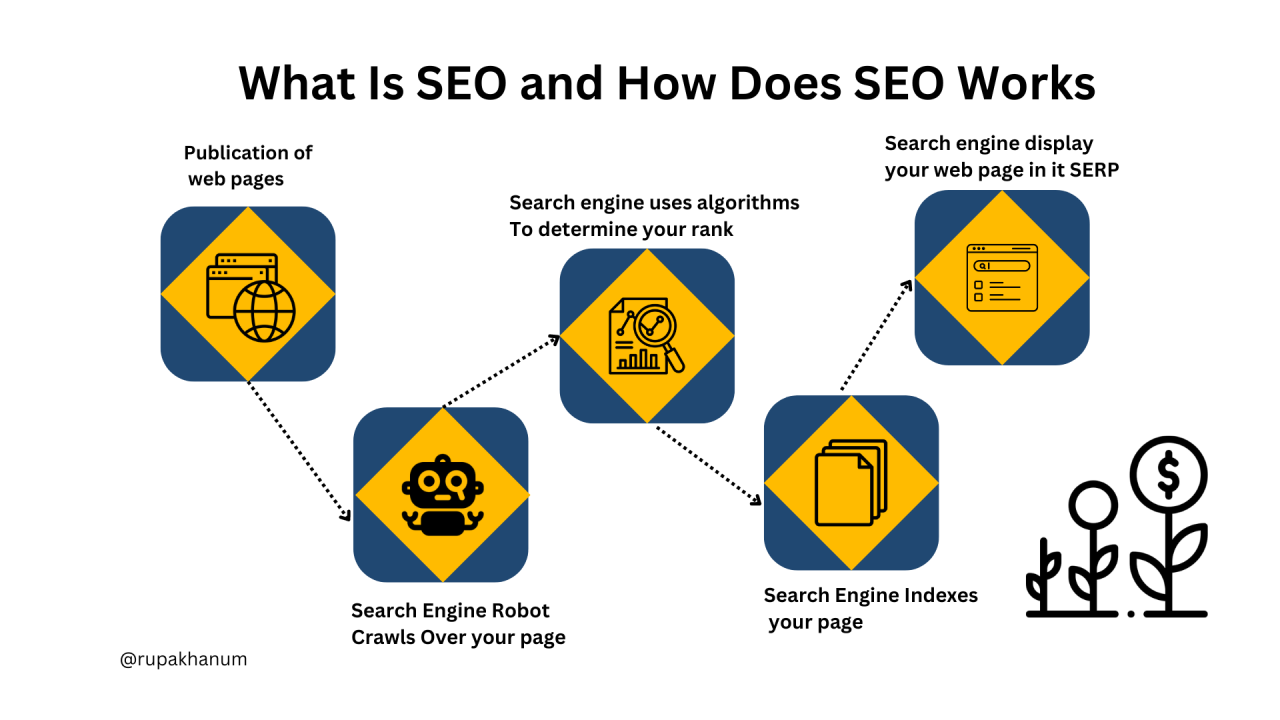
Decoding the Inner Workings of SEO: How SEO Really Works in Practice
The Inner Workings of SEO: How SEO Really Works The…
Unlocking the Potential: Maximising Your Online Presence with Search Engine Optimisation Services
The Power of Search Engine Optimisation (SEO) Services The Power…
Enhancing Online Visibility: The Role of an SEO and Internet Marketing Company
SEO and Internet Marketing Company: Maximizing Online Visibility SEO and…