
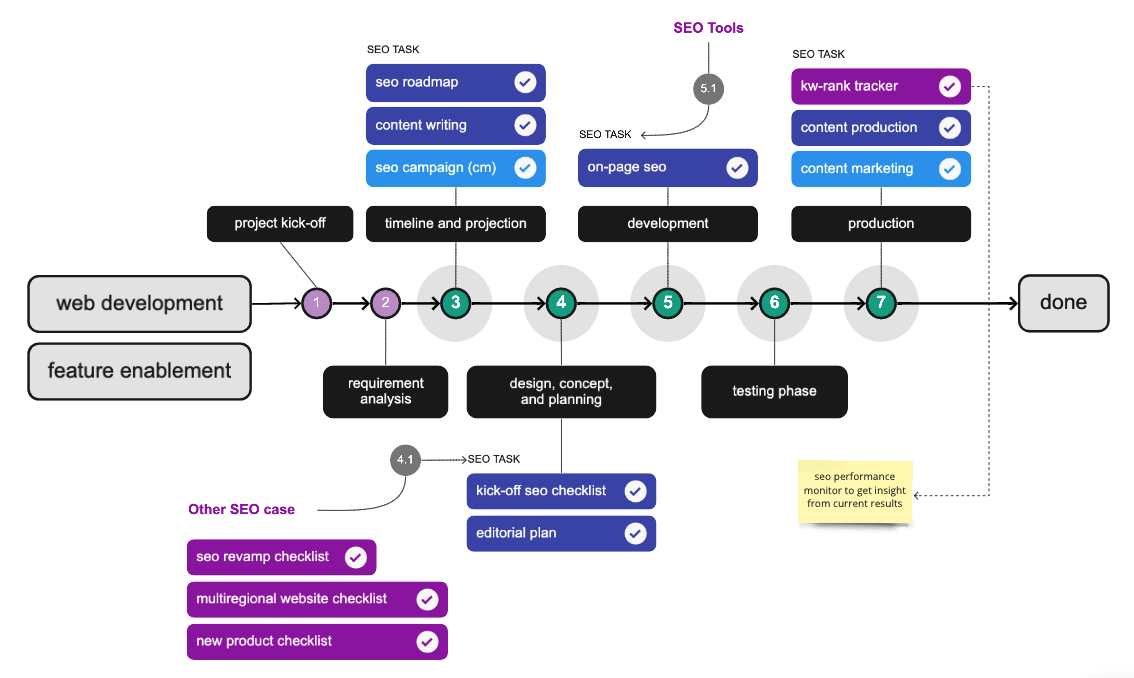
What Does an SEO Web Developer Do?
A website can look impressive and still struggle to attract visitors. Slow loading times, confusing navigation and technical issues can make it harder for people to use a site—and harder for search engines to understand it. An SEO web developer helps prevent these problems by building and maintaining websites with search engine optimisation (SEO) in mind.
What is an SEO web developer?
An SEO web developer combines web development skills with an understanding of how search engines discover, crawl and index websites. Their work focuses on the technical foundations of a site, helping it perform well for both visitors and search engines.
This does not mean that a developer is responsible for every part of SEO. Content quality, keyword research and link building may be handled by other specialists. However, a developer can make sure the website is technically sound and provides a strong platform for those activities.
What does an SEO web developer do?
The exact responsibilities vary from project to project, but common tasks include:
- Improving website speed: Optimising code, images and other resources can help pages load more quickly.
- Creating mobile-friendly websites: Responsive layouts make a site easier to use across phones, tablets and desktop computers.
- Structuring pages clearly: Logical headings, navigation and internal links help users find information and help search engines understand the site.
- Supporting search engine crawling: Developers can configure XML sitemaps, robots.txt files, redirects and canonical tags correctly.
- Using structured data: Schema markup can give search engines additional information about relevant content, such as products, events or local businesses.
- Improving accessibility: Semantic HTML, descriptive links and suitable image text can make a website more usable for a wider audience.
- Maintaining technical health: Regular checks can identify broken links, duplicate pages, security issues and other problems.
Why does SEO need to be considered during development?
SEO is often treated as something to add after a website has been built. That can work, but fixing technical issues later may take more time and cost more than planning for them from the outset.
For example, a well-planned site structure can make important pages easier to reach. Choosing a suitable content management system can make it simpler to edit page titles and descriptions. Building with performance and mobile use in mind can also reduce the need for substantial rework.
SEO considerations should sit alongside design, content and usability. The aim is not to build a website solely for search engines. It is to create a useful, accessible experience that search engines can also interpret effectively.
SEO web development and user experience
Many technical improvements benefit both visitors and organic search performance. A fast website can feel more responsive. Clear menus can help people find what they need. Descriptive page headings can make content easier to scan.
These factors are not a guarantee of higher rankings. Search visibility depends on many elements, including the relevance and quality of a page, competition and the needs of searchers. Strong development provides a reliable foundation, but it is only one part of a broader SEO strategy.
How to choose an SEO web developer
When choosing a developer, look for someone who can explain technical decisions in plain English and understands how development fits into a wider marketing plan. Useful questions to ask include:
- How do you approach site speed and mobile usability?
- How will the website be structured for visitors and search engines?
- Can page titles, descriptions and other key content be edited easily?
- How will redirects and existing search traffic be handled during a redesign?
- What testing and support are included after launch?
It is also worth reviewing examples of previous work and asking what role the developer played. A successful project should involve collaboration between development, design, content and SEO, with clear responsibilities and realistic expectations.
Build a stronger foundation for organic search
An SEO web developer helps ensure that a website is fast, accessible, mobile-friendly and technically well organised. By considering SEO during the planning and development process, businesses can avoid common issues and create a more dependable foundation for future growth.
Whether you are launching a new website or improving an existing one, technical development should support the needs of real users first. When a site is easy to use and easy for search engines to understand, it is better placed to contribute to your wider digital strategy.
9 Benefits of Hiring an SEO Web Developer
- Improves website speed
- Builds mobile-friendly websites
- Supports better search visibility
- Creates clear site structures
- Makes pages easier to crawl
- Helps fix technical SEO issues
- Improves user experience
- Supports accessible web design
- Builds a strong SEO foundation
7 Disadvantages of Hiring an SEO Web Developer
- Can be costly for small businesses.
- SEO results may take months.
- Requires ongoing maintenance.
- Technical changes can cause errors.
- May need specialist SEO support.
- Results are not guaranteed.
- Redesigns can disrupt rankings.
Improves website speed
An SEO web developer can improve website speed by optimising images, streamlining code and reducing unnecessary scripts. Faster pages make it easier for visitors to browse, particularly on mobile devices or slower connections, and can help reduce the chance of people leaving before the content loads. Better performance also supports a positive user experience and gives search engines a more efficient site to crawl.
Builds mobile-friendly websites
An SEO web developer builds mobile-friendly websites that adapt to different screen sizes, making them easy to use on smartphones, tablets and desktop computers. Clear layouts, readable text and simple navigation help visitors find what they need without unnecessary effort. A responsive design can also support SEO by helping search engines understand and index the site across devices, while giving users a more consistent experience wherever they browse.
Supports better search visibility
An SEO web developer can support better search visibility by building a website that search engines can crawl, understand and index more effectively. Clear site structure, mobile-friendly design, fast-loading pages and correctly implemented metadata all help create a strong technical foundation for SEO. While these improvements cannot guarantee higher rankings, they can make it easier for relevant pages to appear in search results and help potential customers find your business.
Creates clear site structures
An SEO web developer creates a clear site structure by organising pages into logical categories and making important information easy to find. Well-planned navigation and relevant internal links help visitors move around the website with ease, while also helping search engines understand how its pages relate to one another. This can make the site more accessible, improve the user experience and support stronger visibility in search results.
Makes pages easier to crawl
An SEO web developer helps make pages easier for search engines to crawl by creating a clear site structure and using clean, well-organised code. They can also improve internal links, manage XML sitemaps and check that important pages are not blocked by settings such as robots.txt. This helps search engines discover and understand relevant content more efficiently, giving each page a better chance of being indexed.
Helps fix technical SEO issues
An SEO web developer can identify and fix technical issues that may prevent search engines from crawling, indexing or understanding a website. This could include broken links, incorrect redirects, duplicate pages, slow loading times or problems with mobile usability. Resolving these issues helps create a more reliable experience for visitors and gives the site a stronger technical foundation for SEO.
Improves user experience
An SEO web developer improves user experience by making a website faster, easier to navigate and accessible across different devices. Clear page structures, responsive design and helpful internal links allow visitors to find the information they need with less effort. These improvements can make people more likely to stay on the site, explore further and take action, while also giving search engines a clearer understanding of its content.
Supports accessible web design
An SEO web developer can support accessible web design by using clear page structures, semantic HTML, descriptive link text and appropriate alternative text for images. These practices can make a website easier to navigate and understand for people using assistive technologies, while also helping search engines interpret its content. Accessibility should be considered throughout the design and development process, creating a more inclusive experience for all visitors.
Builds a strong SEO foundation
An SEO web developer builds a strong foundation for long-term search visibility by creating a website that search engines can crawl, understand and index effectively. From a clear site structure and mobile-friendly design to fast loading times and correctly configured technical elements, these essentials help support future SEO work. A solid foundation also makes it easier to publish and optimise content as your business grows.
Can be costly for small businesses.
Hiring an SEO web developer can be costly for small businesses, particularly when budgets are limited or the website needs extensive technical work. Fees may include the initial build, ongoing maintenance and further optimisation, so it is important to clarify what is covered before committing. Comparing quotes and prioritising the improvements most likely to benefit your business can help keep costs manageable.
SEO results may take months.
One drawback of hiring an SEO web developer is that improvements may take months to produce noticeable results. Search engines need time to crawl and assess website changes, while rankings can also be influenced by competition, content quality and the site’s history. SEO is therefore a long-term investment rather than a quick fix, and there is no guarantee of when—or whether—a particular change will lead to more traffic.
Requires ongoing maintenance.
A website built with SEO in mind still requires ongoing maintenance. Search engine guidelines, software, plugins and web technologies change over time, so a developer may need to update the site, check for technical issues and protect its performance. Without regular attention, problems such as broken links, slow page speeds or outdated integrations can affect both user experience and search visibility. This means businesses should allow for continued maintenance costs and support after the initial build.
Technical changes can cause errors.
Technical changes made by an SEO web developer can sometimes introduce errors, particularly when updates affect redirects, page templates, structured data or site navigation. A mistake could leave pages inaccessible, disrupt important features or prevent search engines from crawling content correctly. Careful testing, backups and monitoring before and after changes help reduce the risk and make it easier to resolve any issues quickly.
May need specialist SEO support.
An SEO web developer may not have the specialist knowledge needed to manage every aspect of search engine optimisation. While they can build a technically sound website, tasks such as in-depth keyword research, content strategy, link building and ongoing performance analysis may require a dedicated SEO specialist. This can mean bringing in extra support, adding to the project’s cost and requiring close coordination between the developer and SEO team.
Results are not guaranteed.
One drawback of working with an SEO web developer is that results are not guaranteed. Even with a technically sound website, search rankings and organic traffic can be affected by factors beyond the developer’s control, including competition, search engine updates, content quality and changes in user behaviour. SEO improvements may also take time to show an impact, so it is important to set realistic expectations and assess progress over the long term.
Redesigns can disrupt rankings.
A website redesign can disrupt search rankings if important SEO elements are changed or removed without careful planning. Altering URLs, page content, internal links or site structure may make it harder for search engines to understand and index pages, while missing redirects can send visitors and search engines to broken links. An SEO web developer can reduce these risks by auditing the existing site, preserving valuable content, mapping redirects and monitoring performance after launch.
Related Posts

Unlocking Success: The Essentials of Local Search Marketing Strategies
The Power of Local Search Marketing The Power of Local…

Unlocking Success: The Synergy of Online Marketing and SEO Services
Online Marketing and SEO Services The Power of Online Marketing…

Maximising Online Visibility: Choosing the Right SEO PPC Agency for Your Business
The Power of SEO and PPC: Choosing the Right Agency…