
SEO and Social Media Marketing: How to Make Them Work Together
Search engine optimisation (SEO) and social media marketing are often treated as separate activities. SEO helps people find your website through search engines, while social media helps you reach and engage audiences on social platforms. Used together, they can strengthen your online presence, bring more relevant visitors to your website and help build trust in your brand.
Social media activity does not usually improve search rankings directly. However, it can support many of the things that contribute to effective SEO, such as brand awareness, content discovery, website visits and the opportunity to earn links from other websites.
What is SEO?
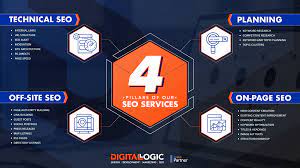
SEO is the practice of improving a website so that it is easier for search engines to understand and more useful to people searching for relevant information, products or services. It includes several areas:
- On-page SEO: Improving page titles, headings, content and internal links.
- Technical SEO: Helping search engines crawl and index a website, while ensuring it works well on mobile devices and loads efficiently.
- Off-page SEO: Building a website’s authority through credible references and links from other sites.
- Content: Creating useful, accurate information that meets the needs behind a search.
What is social media marketing?
Social media marketing involves using platforms such as Instagram, LinkedIn, Facebook, TikTok and Pinterest to share content, connect with audiences and support business goals. Depending on the organisation and its audience, this might include publishing helpful posts, answering questions, sharing customer stories or promoting products and services.
Social platforms can also give businesses a clearer picture of the topics their audiences care about. Comments, searches, shares and frequently asked questions can all provide ideas for website content.
How social media can support SEO
It helps content reach more people
Publishing a useful article is only part of content marketing; people also need a way to discover it. Sharing a new guide or resource on relevant social channels can bring it to the attention of potential customers, industry publications and content creators. Some may choose to reference it on their own websites, which can lead to valuable links.
Sharing does not guarantee backlinks or improved rankings, but it can increase the chances that good content will be noticed.
It can build brand awareness
Regular, useful social content can help people become familiar with a brand. Someone who has seen a business on social media may later search for its name, products or services. A clear, consistent presence across a website and social profiles can also make it easier for people to recognise and trust the business.
It can reveal what your audience wants to know
Social media interactions can uncover questions, concerns and language that customers use. These insights can inform keyword research and content planning. For example, repeated questions in comments could become a detailed website article, a frequently asked questions page or a short video with a supporting transcript.
It can bring qualified visitors to your website
Social traffic is not the same as organic search traffic, but both can contribute to business growth. A well-targeted post can attract visitors who are interested in a particular topic or offer. A clear landing page can then help those visitors find the information they need or take the next step.
A practical strategy for combining SEO and social media
- Start with audience needs. Identify the problems, questions and goals of your intended customers. Use customer conversations, website search data, keyword research and social media discussions to build a useful picture.
- Create content with a clear purpose. Choose topics that serve your audience and support your business objectives. A page should answer a real question or provide a meaningful resource, rather than exist simply to include keywords.
- Optimise the website content. Use clear page titles, descriptive headings, concise URLs and relevant internal links. Make the information easy to read, accurate and suitable for mobile screens.
- Adapt content for each platform. Avoid posting the same message everywhere without adjustment. Turn a long article into a short LinkedIn post, an Instagram carousel, a video script or a series of tips, depending on the platform and audience.
- Make sharing easy. Use engaging titles and images, and check that links lead to the correct page. Ensure the destination page delivers what the social post promises.
- Engage with people. Respond to relevant questions and comments in a helpful, professional way. Social media works best as a conversation, not just a broadcasting channel.
- Review and improve. Look at which topics and formats generate meaningful engagement, website visits and enquiries. Use those insights to refine future content.
Measuring results
SEO and social media have different measures of success, so it helps to track them separately as well as together. Useful SEO measures may include organic clicks, search impressions, rankings for relevant queries, conversions and the quality of organic traffic. Social media measures might include reach, engagement, video views, link clicks and referral visits.
Business outcomes matter most. If the aim is to generate enquiries, track qualified leads rather than focusing only on likes or page views. Analytics tools and campaign tracking links can help show which channels and content are contributing to those outcomes.
Common mistakes to avoid
- Expecting social shares to guarantee higher rankings. Social activity can aid discovery, but it is not a substitute for sound SEO and useful content.
- Chasing every platform. Focus on the channels your audience uses and where your business can contribute consistently.
- Publishing content without a strategy. Each piece should have an audience, purpose and clear next step.
- Using keywords unnaturally. Write for people first and use relevant search terms naturally where they help explain the subject.
- Ignoring the landing page. Social posts may attract visitors, but a confusing, slow or outdated website can undermine the experience.
- Judging performance by vanity metrics alone. A large number of views is not necessarily valuable if it does not reach the right people or support a business goal.
Bringing SEO and social media together
SEO and social media marketing are most effective when they support a shared content strategy. SEO helps people find useful information when they are actively searching, while social media helps that information reach audiences in other contexts. By listening to customers, creating genuinely helpful content and measuring meaningful results, businesses can make both channels work harder together.
The strongest approach is not to chase short-term tricks, but to build a clear, consistent online presence that serves people well—wherever they discover your brand.
9 Essential Tips for Effective SEO and Social Media Marketing
- Research keywords your audience actually uses.
- Write clear, useful titles and meta descriptions.
- Publish original content that answers real questions.
- Optimise images with descriptive alt text.
- Share new content on relevant social channels.
- Use social posts to encourage meaningful engagement.
- Add links from related pages on your website.
- Keep your business details consistent across platforms.
- Track traffic and conversions, then refine your strategy.
Research keywords your audience actually uses.
Research the keywords your audience actually uses by listening to the questions they ask, the phrases they use on social media and the terms they enter into search engines. Keyword research tools can help uncover related queries, but real customer conversations often reveal the wording and concerns behind them. Use these insights to shape useful website content and social posts, incorporating relevant phrases naturally rather than forcing them into every sentence. This helps your content match what people are looking for and makes it more likely to reach the right audience.
Write clear, useful titles and meta descriptions.
Write clear, useful titles and meta descriptions to help people understand what each page offers before they click. Keep titles concise and relevant, placing the main topic near the beginning where it reads naturally. Meta descriptions should briefly explain the page’s value and encourage the right audience to visit. Although they are not a direct ranking factor, well-written snippets can make your content more appealing in search results—and sharing the same clear, compelling message in social posts can help attract relevant visitors across channels.
Publish original content that answers real questions.
Publish original content that answers real questions your audience is asking. Use customer enquiries, search suggestions and social media conversations to spot useful topics, then create clear, accurate articles, videos or posts that offer practical answers. Original, helpful content gives people a reason to engage and share, while helping your website become a more useful resource for visitors arriving through both search engines and social media.
Optimise images with descriptive alt text.
Optimise social media and website images with concise, descriptive alt text that explains what each image shows and, where relevant, how it relates to the page or post. This helps people using screen readers understand visual content and gives search engines useful context. Describe the image naturally rather than cramming in keywords, and leave decorative images with empty alt text so they don’t create unnecessary noise for screen-reader users.
Share new content on relevant social channels.
Share new content on the social channels your audience actually uses, choosing platforms that suit the topic and format. Write a clear, engaging introduction that explains why the content is useful, then include a direct link to the relevant page. Tailor the wording and visuals for each platform rather than posting the same message everywhere. Social sharing can help more people discover your content, bring relevant visitors to your website and increase the chance that others will reference it—supporting your wider SEO efforts without guaranteeing higher search rankings.
Use social posts to encourage meaningful engagement.
Use social posts to encourage meaningful engagement by inviting your audience to share opinions, ask questions or discuss challenges related to your business. Offer a clear prompt, respond thoughtfully to comments and focus on creating genuine conversations rather than simply chasing likes. These interactions can strengthen relationships, reveal what your audience cares about and inspire useful ideas for future content—helping your social media and SEO efforts work together more effectively.
Add links from related pages on your website.
Add links to your content from related pages on your website to help visitors discover useful information and navigate naturally between topics. These internal links also help search engines understand how your pages relate to one another and which content is important. Use clear, descriptive link text that tells readers what to expect, and link only where it adds genuine value to the page. Share the same content on relevant social media channels to encourage discovery, while ensuring the linked page is useful, easy to navigate and optimised for search.
Keep your business details consistent across platforms.
Keep your business details consistent across your website, social media profiles and online directories. Use the same business name, address, phone number, website URL and opening hours wherever they appear, and update them promptly if anything changes. Consistent information makes it easier for customers to contact you and helps search engines understand and verify your business, supporting stronger local SEO.
Track traffic and conversions, then refine your strategy.
Track how social media activity contributes to website traffic and conversions, such as enquiries, bookings or sales. Use analytics tools and campaign tracking links to identify which platforms and posts attract relevant visitors and encourage them to take action. Review these results regularly, then refine your strategy by investing in the content and channels that perform well, and adjusting or replacing those that do not.
Related Posts

Unlocking the Power of SEO in Ecommerce: Boost Your Online Visibility and Sales
The Importance of SEO in Ecommerce The Importance of SEO…

Unlocking Success: The Role of a Search Optimization Agency in Maximising Online Visibility
The Power of Search Optimization Agencies The Power of Search…
Elevate Your Online Presence with a Leading Digital SEO Company
The Power of Digital SEO Companies in Boosting Online Presence…