
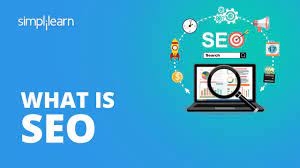
What Is SEO?
SEO stands for search engine optimisation. It is the practice of improving a website so that it is easier for search engines to understand and more likely to appear in relevant, unpaid search results.
When someone searches online for a product, service or answer, search engines such as Google use automated systems to find and rank pages. SEO helps make a website useful, accessible and relevant to the people who are searching for what it offers.
How does SEO work?
Search engines discover pages by crawling links and website content. They then organise information in an index. When a person makes a search, the search engine selects and ranks pages that appear to best meet the query.
SEO involves making a website clear and helpful for both visitors and search engines. There is no single change that guarantees a top position: rankings are influenced by many factors, and search engines regularly update how they assess results.
The main areas of SEO
Technical SEO
Technical SEO covers the foundations that help search engines access and understand a website. This can include improving page speed, making the site work well on mobile devices, fixing broken links, using secure connections and organising pages so they are easy to crawl.
On-page SEO
On-page SEO focuses on the content and elements of individual pages. This may involve writing helpful page titles and headings, using clear URLs, describing images accurately and creating content that directly answers visitors’ questions. Relevant search terms can be included naturally, but content should be written for people rather than packed with keywords.
Off-page SEO
Off-page SEO refers to signals that come from outside a website. One example is a link from another reputable website. Such links can help people discover useful resources and may help search engines understand a site’s credibility. Building links should focus on earning genuine recognition, not buying or creating manipulative links.
Local SEO
Local SEO helps businesses appear in searches with local intent, such as “plumber near me” or “café in Bristol”. Keeping business details accurate and consistent, maintaining a complete business profile and gathering genuine customer reviews can all support local visibility.
Why is SEO important?
SEO can help a website attract people who are already looking for its products, services or information. It can also improve the experience of using the site by making pages clearer, faster and easier to navigate.
Unlike paid advertising, organic search listings do not charge a fee for each click. However, SEO still requires time, expertise and ongoing work. Results can take months to develop, and no reputable practitioner can guarantee a particular ranking.
SEO and paid search: what is the difference?
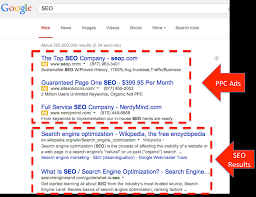
SEO aims to improve a website’s visibility in organic search results. Paid search involves paying to show advertisements for selected searches. Both can help businesses reach potential customers, but they work differently: paid advertising can provide visibility while a campaign is running, whereas SEO focuses on building sustainable visibility over time.
What does an SEO process involve?
- Understand the audience: Find out what potential visitors are searching for and what information they need.
- Review the website: Identify technical issues, gaps in content and opportunities to improve the user experience.
- Improve pages: Create or update useful content, page titles, headings and internal links.
- Build authority responsibly: Publish valuable resources and develop genuine relationships that may lead to relevant mentions and links.
- Measure and refine: Use analytics and search performance data to understand what is working and where further improvements are needed.
How long does SEO take?
There is no fixed timescale. The speed of progress depends on factors such as a website’s current condition, the competitiveness of its market, the quality of its content and the resources available. Some improvements may have an early effect, while building meaningful organic visibility usually takes sustained effort.
In summary
SEO is the ongoing work of helping search engines find, understand and recommend a website’s pages to the right people. By combining sound technical foundations with helpful content and responsible promotion, organisations can improve their chances of being discovered through organic search.
Understanding SEO: Key Questions and Answers for Beginners
- What does SEO stand for?
- What is SEO and how does it work?
- Why is SEO important for a website?
- What are the main types of SEO?
- How long does SEO take to show results?
- Can I do SEO myself, or do I need to hire an SEO specialist?
What does SEO stand for?
SEO stands for search engine optimisation. It refers to the process of improving a website so search engines can understand its content and show it to people searching for relevant information, products or services.
What is SEO and how does it work?
SEO, or search engine optimisation, is the process of improving a website so it is more likely to appear in relevant, unpaid search results. It works by making pages easier for search engines to find, understand and assess, while providing useful, well-organised content for visitors. This can involve improving website speed and mobile usability, using clear page titles and headings, creating content that answers people’s questions and earning links from reputable websites. SEO takes time and ongoing attention, and rankings can’t be guaranteed, but effective optimisation can help the right people discover your site.
Why is SEO important for a website?
SEO is important because it helps people find your website when they search online for relevant products, services or information. By improving your site’s content, structure and usability, SEO can increase its visibility in unpaid search results, attract more relevant visitors and make it easier for them to find what they need. While results take time and cannot be guaranteed, effective SEO can support long-term online growth and build trust with potential customers.
What are the main types of SEO?
The main types of SEO are on-page, off-page, technical and local SEO. On-page SEO improves the content and elements on your website, such as headings, page titles and internal links. Off-page SEO focuses on external signals, including reputable links and mentions from other websites. Technical SEO helps search engines access and understand your site, covering areas such as site speed, mobile usability and indexing. Local SEO helps businesses appear in searches relevant to a particular area, such as “electrician in Leeds”.
How long does SEO take to show results?
SEO usually takes several months to show noticeable results, although the timescale varies depending on your website’s current condition, the competitiveness of your industry, the quality of your content and the work being carried out. Some technical improvements may have an effect sooner, while building stronger rankings and consistent organic traffic takes time and ongoing effort. There is no guaranteed timeline, so it’s best to monitor progress regularly and treat SEO as a long-term investment.
Can I do SEO myself, or do I need to hire an SEO specialist?
Yes, you can do SEO yourself, particularly if you have time to learn the basics and your website is relatively straightforward. Improving page titles, creating useful content, making your site easy to navigate and keeping business details up to date are all practical starting points. An SEO specialist may be helpful if you face technical issues, operate in a competitive market or need a broader strategy. If you choose to hire someone, look for clear, realistic advice: no one can guarantee a particular search ranking.
Related Posts
Mastering the Art of Organic Search Engine Optimization for UK Businesses
The Power of Organic Search Engine Optimization Unlocking the Potential…
Unlocking Online Success: The Power of Search Engine Optimisation Companies
The Role of Search Engine Optimisation Companies in Boosting Online…
How to Choose the Best SEO Consultant for Your Business
How to Find the Best SEO Consultant for Your Business…