
The Importance of Web Optimisation for Your Online Success
Web optimisation is a crucial aspect of building and maintaining a successful online presence. In today’s digital age, where competition is fierce and attention spans are short, having a well-optimised website can make all the difference in attracting and retaining visitors.
Optimising your website involves a range of strategies aimed at improving its performance, user experience, and visibility on search engines. One key element of web optimisation is ensuring that your site loads quickly. Studies have shown that users are likely to abandon a website if it takes more than a few seconds to load. By optimising images, minimising code, and leveraging caching techniques, you can speed up your site and provide a seamless browsing experience for visitors.
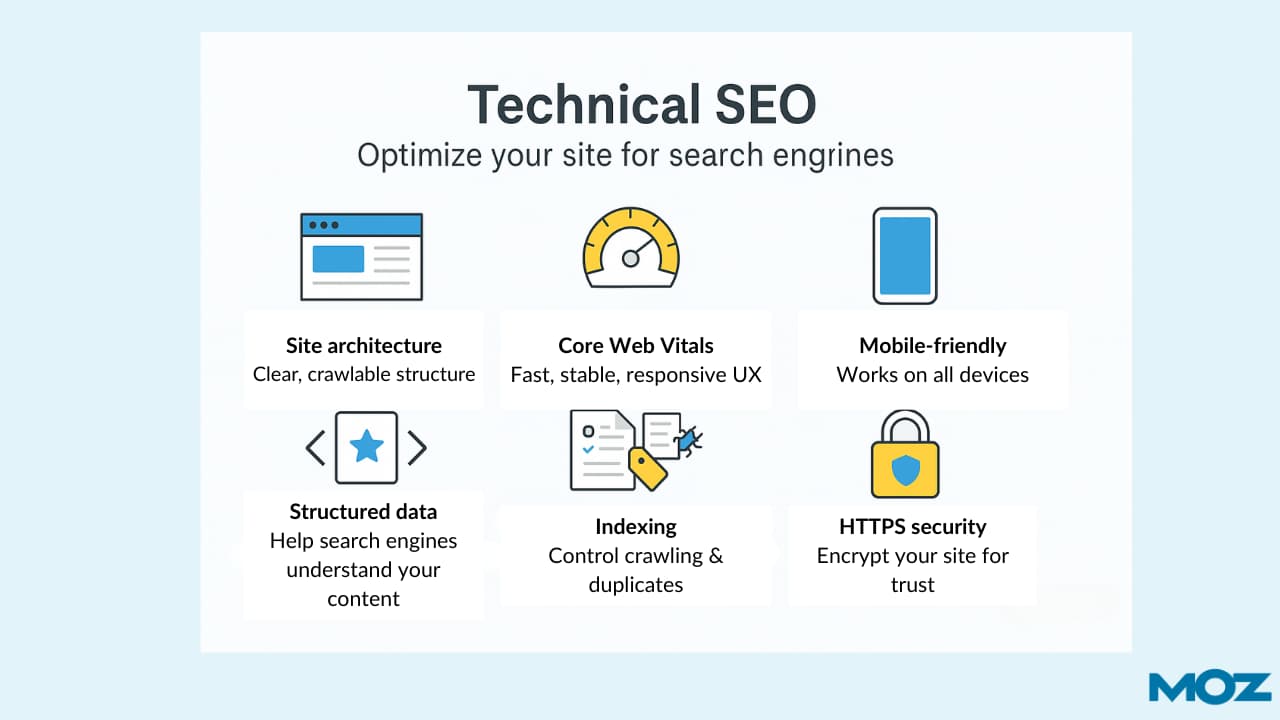
Another important aspect of web optimisation is responsive design. With the increasing use of mobile devices to access the internet, it’s essential that your website is mobile-friendly and displays correctly on various screen sizes. A responsive design not only improves user experience but also boosts your site’s ranking on search engine results pages.
Search engine optimisation (SEO) is also a critical component of web optimisation. By incorporating relevant keywords, meta tags, and high-quality content into your website, you can improve its visibility on search engines like Google. This can drive organic traffic to your site and increase the likelihood of converting visitors into customers.
Furthermore, web optimisation includes regular monitoring and analysis of your site’s performance. By tracking metrics such as page views, bounce rates, and conversion rates, you can identify areas for improvement and make data-driven decisions to enhance your website’s effectiveness.
In conclusion, web optimisation plays a vital role in the success of your online presence. By implementing best practices such as fast loading times, responsive design, SEO strategies, and continuous monitoring, you can create a user-friendly website that attracts visitors and drives business growth. Invest in web optimisation today to stay ahead in the competitive digital landscape.
7 Essential Tips for Optimising Your Website’s Performance
- Optimize images for web by reducing file size without compromising quality.
- Minify CSS and JavaScript files to improve page loading speed.
- Use browser caching to store frequently accessed resources locally.
- Enable GZIP compression to reduce the size of your web pages.
- Implement lazy loading for images and videos to defer offscreen content loading.
- Reduce server response time by optimizing code and database queries.
- Ensure mobile responsiveness for a better user experience on all devices.
Optimize images for web by reducing file size without compromising quality.
Optimising images for the web is a crucial tip in web optimisation. By reducing the file size of images without compromising quality, you can significantly improve your website’s loading speed and overall performance. This not only enhances user experience by ensuring faster page load times but also contributes to better search engine rankings. Utilising tools and techniques to compress images effectively while maintaining their visual integrity is key to striking the right balance between high-quality visuals and optimal website performance.
Minify CSS and JavaScript files to improve page loading speed.
Minifying CSS and JavaScript files is a highly effective tip for web optimisation that can significantly enhance page loading speed. By removing unnecessary characters, whitespace, and comments from these files, you can reduce their size and improve the efficiency of your website’s code. This streamlined code loads faster, leading to quicker page rendering times and a better user experience for visitors. Implementing minification techniques not only boosts performance but also contributes to higher search engine rankings, making it a valuable strategy for enhancing your website’s overall performance.
Use browser caching to store frequently accessed resources locally.
By utilising browser caching to store frequently accessed resources locally, you can significantly enhance the performance of your website. When visitors access your site, their browsers can save certain files like images, CSS stylesheets, and JavaScript files on their local devices. This means that when they revisit your site or navigate to another page within it, these resources can be loaded more quickly from their local cache rather than having to be fetched from the server again. By implementing browser caching effectively, you can reduce load times, improve user experience, and ultimately boost the overall performance of your website.
Enable GZIP compression to reduce the size of your web pages.
Enabling GZIP compression is a highly effective tip for web optimisation that can significantly reduce the size of your web pages. By compressing files before they are sent to a user’s browser, GZIP compression helps to minimise data transfer and improve loading times. This not only enhances the overall user experience by providing faster page load speeds but also contributes to better search engine rankings, as site speed is a crucial factor in SEO performance. Implementing GZIP compression is a simple yet powerful technique that can make a notable difference in the efficiency and performance of your website.
Implement lazy loading for images and videos to defer offscreen content loading.
Implementing lazy loading for images and videos is a smart strategy to enhance web optimisation. By deferring the loading of offscreen content until it is needed, lazy loading helps improve website performance and user experience. This technique reduces initial load times, allowing the visible content to load quickly and smoothly while delaying the loading of non-essential elements further down the page. As a result, visitors can access your website faster, leading to lower bounce rates and increased engagement. Lazy loading is a simple yet effective way to streamline your site’s performance and ensure a seamless browsing experience for users.
Reduce server response time by optimizing code and database queries.
To improve web optimisation, it is essential to focus on reducing server response time by optimising code and database queries. By streamlining the codebase and ensuring efficient database queries, you can significantly enhance the speed at which your website responds to user requests. This not only improves user experience by providing faster loading times but also boosts your site’s performance on search engine result pages. Investing time in optimising code and database queries is a strategic way to enhance overall web performance and drive better results for your online presence.
Ensure mobile responsiveness for a better user experience on all devices.
Ensuring mobile responsiveness is a key tip for effective web optimisation. In today’s mobile-centric world, it is essential to provide users with a seamless experience across all devices. By implementing a responsive design, you can ensure that your website adapts and functions correctly on various screen sizes, improving usability and engagement for mobile users. This not only enhances the overall user experience but also boosts your site’s visibility and rankings on search engines, ultimately leading to increased traffic and conversions.
Related Posts

Unlocking Online Success: The Essential Role of an SEO Consultant
The Role of an SEO Consultant in Enhancing Online Visibility…

Local Search Engine Optimization Services Near Me: Boost Your Online Presence Today
Search Engine Optimization Services Near Me The Importance of Search…

Unlocking Online Success: The Power of Search Engine Optimisation Companies
The Role of Search Engine Optimisation Companies in Boosting Online…