
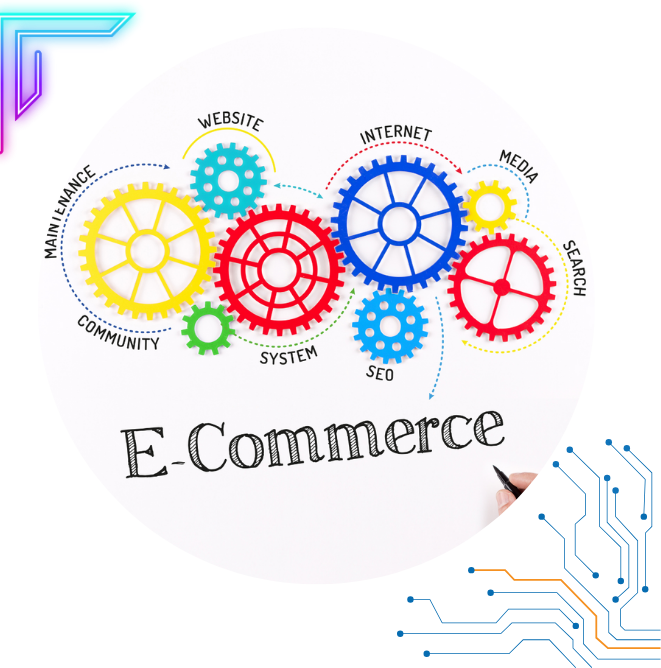
How an E-commerce SEO Agency Can Help Your Online Store Grow
Running an online shop means competing for attention in a crowded marketplace. A well-designed website and quality products are important, but potential customers also need to be able to find your store. That is where an e-commerce SEO agency can help.
Search engine optimisation (SEO) is the process of improving a website so that it is more visible in relevant search results. For e-commerce businesses, effective SEO can help product and category pages reach people who are actively looking for what the shop sells.
What does an e-commerce SEO agency do?
An e-commerce SEO agency focuses on the particular challenges of online retail. These can include large product catalogues, changing stock levels, duplicate product descriptions and complex website structures. The agency’s work may cover several areas:
- Technical SEO: Reviewing site speed, mobile usability, indexing, crawlability and structured data to help search engines access and understand the website.
- Keyword research: Identifying the terms customers use when looking for products, categories and related advice.
- On-page optimisation: Improving page titles, headings, product descriptions, category copy and internal links.
- Content planning: Developing useful guides, buying advice and other content that answers customers’ questions and supports the purchasing journey.
- Digital PR and link earning: Helping a brand gain relevant coverage and links from credible websites.
- Measurement and reporting: Tracking organic visibility, traffic, sales and other agreed performance indicators.
Why e-commerce SEO needs a specialist approach
SEO principles apply to many types of websites, but online shops often have additional complications. A single store may contain thousands of product pages, filters, variations and categories. Without careful planning, search engines may spend time on pages that are not valuable, while important products remain difficult to discover.
Product information can also be duplicated across a retailer’s own site and suppliers’ websites. An agency can help develop original, useful descriptions and establish a consistent approach to product-page optimisation. Where products are discontinued or temporarily unavailable, it can advise on suitable ways to manage those pages and their links.
Another consideration is how customers search. Some people are ready to buy and use specific product terms; others are comparing options or looking for advice. A strong SEO strategy considers these different needs, creating the right pages for each stage rather than focusing only on broad, high-volume keywords.
How to choose an e-commerce SEO agency
Choosing an agency is an important decision, so it is worth looking beyond promises of quick rankings. SEO takes time, and no reputable provider can guarantee a particular position in search results.
When assessing potential agencies, consider the following:
- Relevant experience: Ask whether the agency has worked with e-commerce sites of a similar size, sector or technical complexity.
- A clear process: Look for an explanation of how it researches, prioritises and delivers its recommendations.
- Commercial understanding: The agency should take account of margins, stock, seasonal demand and the products that matter most to your business.
- Transparent reporting: Reports should explain what has been done, what has changed and what the next steps are.
- Ethical methods: Ask how the agency earns links and avoids risky tactics that could harm the site’s long-term performance.
- Good communication: Effective SEO often involves collaboration with developers, designers, merchandising teams and writers.
It is also useful to ask how success will be measured. Rankings and organic traffic can provide helpful context, but they should be considered alongside meaningful outcomes such as qualified visits, revenue, conversion rate and the performance of priority product categories.
What to expect from an SEO partnership
A typical engagement begins with a review of the website and its current performance. The agency may examine technical issues, search demand, competitors, site structure and existing content before creating a prioritised plan.
Some recommendations may be implemented directly by the agency; others may require input from your internal team or web developer. Agreeing responsibilities, timescales and access to the right data at the start can help keep projects moving.
SEO is an ongoing process rather than a one-off fix. Search behaviour, competitors, products and search engine systems change over time. Regular analysis helps an agency refine its approach, identify new opportunities and address emerging issues.
Is an e-commerce SEO agency right for your business?
An agency may be a good fit if your online shop needs specialist expertise, has technical challenges or lacks the time and resources to manage SEO consistently. It can also complement an in-house team by providing strategic guidance or support with specific projects.
The most effective partnership is built around realistic objectives, open communication and a shared understanding of the business. With a thoughtful strategy and steady implementation, e-commerce SEO can help more potential customers discover your products and give your online store a stronger foundation for sustainable growth.
8 Tips for Choosing the Right E-commerce SEO Agency
- Choose an agency with proven e-commerce results.
- Check experience with your platform and product range.
- Ask how they improve product and category pages.
- Look for strong technical SEO expertise.
- Request clear reporting on traffic and revenue.
- Agree measurable goals before work begins.
- Avoid agencies promising instant rankings.
- Ensure SEO supports your wider marketing strategy.
Choose an agency with proven e-commerce results.
Choose an e-commerce SEO agency with proven results for online retailers, not just broad SEO experience. Ask for relevant case studies showing how its work improved organic visibility, qualified traffic or sales, and find out how those results were measured. Experience with businesses similar to yours—in terms of product range, platform or market—can also help ensure the agency understands the practical challenges of growing an online shop.
Check experience with your platform and product range.
When choosing an e-commerce SEO agency, check that it has experience with your website platform and product range. Different platforms have their own technical features, while large or specialised catalogues can bring challenges such as product variations, filters and duplicate descriptions. Ask for relevant examples and how the agency would approach your particular setup, so you can assess whether its expertise matches your needs.
Ask how they improve product and category pages.
Ask how the e-commerce SEO agency improves product and category pages, as these are often central to attracting shoppers who are ready to buy. A good agency should explain how it researches search terms, creates useful and distinctive product descriptions, optimises page titles and headings, and strengthens internal links. It should also consider practical details such as product variations, stock availability and filters, so important pages are easy for both customers and search engines to find.
Look for strong technical SEO expertise.
When choosing an e-commerce SEO agency, look for strong technical SEO expertise. Online shops often have complex site structures, large product catalogues, filters and frequently changing stock, all of which can affect how search engines crawl and index pages. An experienced agency should be able to identify issues with site speed, mobile usability, duplicate content, structured data and internal linking, then explain how it will address them. Ask for clear examples of its approach and make sure recommendations are practical for your platform and development team.
Request clear reporting on traffic and revenue.
When choosing an e-commerce SEO agency, ask for clear, regular reporting that shows how its work is affecting both organic traffic and revenue. Reports should explain where visitors are coming from, which pages and products are performing, and whether increased traffic is leading to sales. Agree on meaningful measures from the outset, such as organic revenue, conversions and average order value, so you can understand the commercial impact of the strategy—not just changes in rankings.
Agree measurable goals before work begins.
Agree measurable goals with your e-commerce SEO agency before work begins, so everyone understands what success looks like. Choose targets that support your wider business aims, such as increasing organic revenue, improving visibility for priority product categories or growing qualified non-brand traffic. Set a baseline, decide how progress will be tracked and agree a realistic review period. Rankings and traffic can offer useful context, but measuring them alongside sales, conversion rates and other relevant outcomes gives a clearer picture of the work’s impact.
Avoid agencies promising instant rankings.
Be cautious of any e-commerce SEO agency that promises instant rankings or guaranteed positions in search results. SEO takes time, and results depend on factors such as your website, competition and the work involved. A trustworthy agency will explain its approach, set realistic expectations and focus on sustainable improvements that support your store’s long-term visibility and sales.
Ensure SEO supports your wider marketing strategy.
An e-commerce SEO agency should make sure its work supports your wider marketing strategy, rather than treating search optimisation as a separate activity. By aligning SEO with your brand positioning, paid campaigns, email marketing, promotions and seasonal plans, the agency can create consistent messages across customer touchpoints and make better use of your marketing insights. For example, search data can reveal what customers want to know, while campaign results can help shape useful landing pages and content. This joined-up approach helps your online shop reach the right people and work towards shared business goals.
Related Posts

Creating the Ultimate Home Theatre Experience: Professional Installation Unleashed
Transform Your Home Entertainment with Professional Home Theatre Installation There's…

Maximising Your Online Visibility: The Art of SEO
The Power of Search Engine Optimization (SEO) The Power of…

Empowering Lives Through Meaningful Support Systems
The Importance of Support in Every Aspect of Life The…