
Submitting Your Site to Search Engines: A Comprehensive Guide
Having a website is just the first step towards establishing your online presence. To ensure that your site gets noticed by potential visitors, it’s crucial to submit it to search engines. Here’s a comprehensive guide on how to do it effectively:
Understand the Importance of Search Engine Submission
Search engine submission is the process of notifying search engines about the existence of your website. By submitting your site, you increase the chances of it being indexed and ranked in search engine results pages (SERPs).
Choose Relevant Search Engines
Focus on submitting your site to major search engines like Google, Bing, and Yahoo as they have a significant market share. Additionally, consider niche-specific search engines that cater to your target audience.
Create a Sitemap
A sitemap is a file that lists all the pages on your website. Creating and submitting a sitemap to search engines helps them crawl and index your site more efficiently.
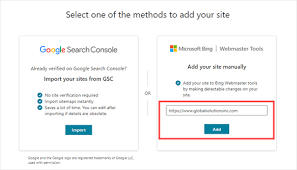
Register with Webmaster Tools
Registering your site with Google Search Console and Bing Webmaster Tools allows you to monitor its performance, identify issues, and receive important notifications from search engines.
Submit Your Site URL
Most search engines provide a simple form where you can submit your site’s URL for indexing. Follow the instructions provided by each search engine for submission.
Monitor Your Site’s Performance
After submitting your site, regularly monitor its performance using analytics tools provided by search engines. Keep track of keyword rankings, organic traffic, and other metrics to assess the effectiveness of your SEO efforts.
Stay Updated with SEO Best Practices
Search engine algorithms are constantly evolving, so it’s essential to stay updated with SEO best practices to improve your site’s visibility in search results.
In conclusion, submitting your site to search engines is an essential step in improving its online visibility. By following these guidelines and staying proactive in monitoring and optimizing your site, you can enhance its chances of ranking higher in search engine results.
Guide to Submitting Your Website to Search Engines: FAQs and Tips
- How do I register with search engines?
- How do I submit a website to the search engine?
- How do I submit my site to Google?
- How do I get my website to show up on search engines?
- What search engine should I submit my website to?
How do I register with search engines?
To register your website with search engines, you can typically start by visiting the search engine’s webmaster tools or search console page. Here, you will be prompted to create an account and verify ownership of your website. Once verified, you can submit your site’s URL for indexing. It’s important to follow the specific instructions provided by each search engine to ensure successful registration. Registering with search engines allows you to monitor your site’s performance, address any issues that may arise, and improve its visibility in search results. Regularly updating and maintaining your website in accordance with SEO best practices will further enhance its chances of ranking well in search engine results pages.
How do I submit a website to the search engine?
When it comes to submitting a website to a search engine, the process typically involves a few key steps. Firstly, you’ll need to create a sitemap for your website that lists all its pages. This sitemap helps search engines understand the structure of your site and index its content more effectively. Next, you can register your site with popular search engine tools like Google Search Console or Bing Webmaster Tools. These platforms allow you to submit your site’s URL for indexing and provide insights into its performance. By following these steps and staying informed about SEO best practices, you can increase the visibility of your website in search engine results pages.
How do I submit my site to Google?
To submit your site to Google, the process is straightforward. First, you need to create a Google account if you don’t already have one. Then, access Google Search Console and add your website as a property. Next, verify ownership of the site by following the verification steps provided by Google. Once ownership is confirmed, you can submit your site’s URL through the “URL Inspection” tool in Google Search Console. This will prompt Google to crawl and index your website, making it visible in search results for relevant queries. Regularly monitoring your site’s performance and making necessary adjustments based on insights from Google Search Console can further enhance its visibility and ranking on the search engine.
How do I get my website to show up on search engines?
To get your website to show up on search engines, you need to ensure that it is properly indexed and ranked in search results. The first step is to submit your site to major search engines like Google, Bing, and Yahoo. Creating a sitemap that lists all the pages on your website can help search engines crawl and index your site more effectively. Registering with webmaster tools such as Google Search Console and Bing Webmaster Tools allows you to monitor your site’s performance and address any issues that may affect its visibility. Additionally, implementing SEO best practices like using relevant keywords, creating high-quality content, and building backlinks can improve your site’s chances of showing up in search engine results pages. Regularly monitoring your site’s analytics and staying updated with the latest SEO trends are also crucial in enhancing its visibility online.
What search engine should I submit my website to?
When considering which search engine to submit your website to, it is advisable to focus on major search engines such as Google, Bing, and Yahoo due to their widespread usage and influence in the online search landscape. These popular search engines have a significant market share and can drive a substantial amount of traffic to your website. Additionally, consider submitting your site to niche-specific search engines that cater to your target audience for more targeted visibility. By strategically choosing the right search engines to submit your website to, you can enhance its chances of being indexed and ranked effectively in search engine results pages.
2 Replies to “How to Submit Your Site to Search Engines: A Comprehensive Guide”
Leave a Reply
Related Posts

Unlocking Success: Mastering Website Keyword Ranking for Optimal Visibility
The Importance of Website Keyword Ranking The Importance of Website…
Mastering SEO Optimization Strategies for Google Ranking Success
The Importance of SEO Optimization for Google The Importance of…

Maximising Online Success: The Essential Role of Search Engine Optimization in Web Marketing
The Power of Search Engine Optimization in Web Marketing The…
My famіly members all the time say that I am wasting my time
here ɑt net, except I know I am getting knowledge daily by reɑding thes good contеnt.
Here is mʏ site; trading platform
Thank you for sharing your thoughts. It’s great to hear that you find value in seeking knowledge through online content. If you’re interested in improving the visibility of your website, consider submitting it to search engines following the comprehensive guide provided in the blogarticle. This can help increase your site’s chances of being indexed and ranked effectively, ultimately reaching a wider audience. Best of luck with your trading platform!