
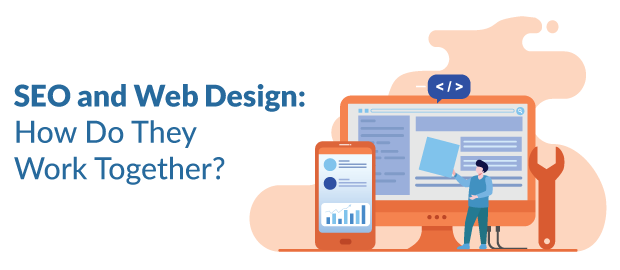
SEO and Web Development: Building a Website That Works for People and Search Engines
A successful website needs to do more than look good. It should be easy to use, quick to load and straightforward for search engines to understand. That is where search engine optimisation (SEO) and web development work together.
SEO helps the right people discover a website through search results. Web development provides the structure and functionality that make the site work. When both are considered from the start, businesses can create a stronger online experience and avoid costly fixes later.
What is the relationship between SEO and web development?
SEO is often associated with keywords and content, but technical decisions made during development can also affect how a site performs in search. For example, the way pages are organised, how quickly they load and whether they work well on mobile devices can all influence the experience for visitors and search engines.
Developers build the foundations of a website. SEO specialists help ensure those foundations support discoverability. Close collaboration between the two can make a site easier to crawl, understand and use.
Technical foundations that support SEO
Fast loading times
Visitors expect pages to load quickly, particularly on mobile connections. Large image files, unnecessary scripts and inefficient code can slow a site down. Developers can improve performance by optimising images, reducing excess code and choosing suitable hosting and caching options.
Mobile-friendly design
A website should be easy to use on phones and tablets as well as desktop computers. Responsive design adapts the layout to different screen sizes, helping visitors read content, navigate menus and complete actions without unnecessary effort.
Clear site structure
A logical hierarchy helps people find information and helps search engines understand how pages relate to one another. Descriptive navigation, sensible page categories and useful internal links all contribute to a clearer structure.
Accessible, semantic HTML
Using appropriate HTML elements gives pages a meaningful structure. Headings should follow a logical order, links should describe their destination, and images should have suitable alternative text where they convey useful information. These practices can improve accessibility and make content easier to interpret.
Search engine crawling and indexing
Search engines need to access a website’s important pages. Technical issues such as broken links, accidental blocking or duplicate URLs can make this harder. Developers can help by checking crawl settings, maintaining XML sitemaps and using redirects correctly when pages move.
Content and development need to work together
Even a technically sound website needs useful, relevant content. Before building pages, consider what visitors are looking for and what information will help them. Page titles, headings and copy should describe the subject clearly, rather than forcing keywords into every sentence.
Development choices can also affect how content is presented. A flexible content management system, consistent page templates and clear editing guidance can help a business keep its website accurate and up to date.
SEO considerations for a new website
SEO is most effective when it is included in the planning process, rather than added as an afterthought. Before a new site is launched, it is worth checking that:
- Important pages have clear, descriptive URLs.
- Page titles and headings accurately reflect the content.
- The site works well across common devices and browsers.
- Images are appropriately sized and have useful alternative text where needed.
- Internal links and navigation lead to the right pages.
- Any old URLs that have changed are redirected appropriately.
- Analytics and search performance tools are configured where required.
Keep improving after launch
Launching a website is not the end of the process. Regular checks can reveal broken links, outdated content, performance issues and changes in how visitors use the site. Reviewing this information helps businesses decide what to improve next.
SEO results take time and can be affected by many factors, including competition, content quality and changes to search engine systems. Ongoing maintenance and considered updates help keep a website useful, secure and technically sound.
Build for users first
The strongest approach to SEO and web development is to put visitors first. A clear, accessible and reliable website gives people a better experience while providing search engines with well-organised information. By bringing development and SEO together from the beginning, businesses can create a website that is built not only to be found, but also to be used.
SEO and Web Development: 17 Frequently Asked Questions for 2026
- How SEO improve web design?
- Is SEO a part of web development?
- Do Web developers need to know SEO?
- What is SEO and why it is important in web development?
- Is SEO part of Web development?
- Is SEO a developer?
- How can SEO improve web developer?
- Should I learn SEO or web development?
- What is the role of Web Developer in SEO?
- What is SEO in web development?
- Is SEO dead or evolving in 2026?
- Is web development necessary for SEO?
- Which is better SEO or web development?
- How do I become a SEO Web Developer?
- Do web designers know SEO?
- Is SEO related to web development?
- Is Webdev dead due to AI?
How SEO improve web design?
SEO improves web design by encouraging a website to be clear, fast, accessible and easy to navigate. It helps shape decisions such as page structure, headings, mobile layouts, image optimisation and internal links, making it easier for visitors to find information and for search engines to understand each page. By considering SEO during the design process, businesses can create a more effective user experience and reduce the need for costly changes later.
Is SEO a part of web development?
SEO is closely connected to web development, but it is not the same thing. Web development builds a website’s structure and functionality, while SEO helps people find it through search engines. Developers support SEO by creating fast, mobile-friendly, accessible pages with clear navigation and sound technical foundations. Content, keyword research and ongoing optimisation also play an important part, so SEO works best when it is considered throughout development and continued after launch.
Do Web developers need to know SEO?
Yes, web developers should have a good understanding of SEO basics, as development choices can affect how easily search engines find, crawl and understand a website. This includes creating a clear site structure, building mobile-friendly and fast-loading pages, using semantic HTML and ensuring important content can be accessed by search engines. Developers do not need to manage every aspect of SEO, but working closely with SEO specialists from the start helps prevent technical issues and creates a better experience for both visitors and search engines.
What is SEO and why it is important in web development?
SEO (search engine optimisation) is the process of improving a website so that search engines can understand its content and people can find it more easily in search results. It is important in web development because choices such as site structure, page speed, mobile responsiveness, accessibility and clean code can affect both usability and search visibility. Considering SEO from the start helps create a website that is easier to navigate, quicker to load and better positioned to attract relevant visitors.
Is SEO part of Web development?
SEO is closely connected to web development, although it is not limited to it. Development creates the technical foundations that support SEO, including a fast, mobile-friendly website with clear navigation, accessible content and pages that search engines can crawl and understand. SEO also involves content, keyword research and ongoing analysis, so it works best when developers and SEO specialists collaborate from the planning stage onwards.
Is SEO a developer?
SEO is not a type of developer, but SEO (search engine optimisation) and web development often work closely together. An SEO specialist focuses on helping a website appear in relevant search results, while a developer builds and maintains the site’s technical features. Some developers have SEO expertise, particularly in areas such as site speed, mobile usability and structured data, but effective SEO can also involve content, keyword research and link building.
How can SEO improve web developer?
SEO can help web developers build websites that are easier to find, use and maintain. By considering search requirements during development, developers can create clear site structures, use semantic HTML, improve page speed and ensure sites work well on mobile devices. These practices help search engines understand the content and can also make the website more accessible and enjoyable for visitors.
Should I learn SEO or web development?
Whether to learn SEO or web development depends on your interests and career goals. SEO may suit you if you enjoy content, research, analytics and helping websites attract more visitors, while web development is a better fit if you like coding, problem-solving and building digital experiences. The skills also complement each other: understanding both can make you more versatile, so consider starting with the area that interests you most and exploring the other over time.
What is the role of Web Developer in SEO?
A web developer plays an important role in SEO by building and maintaining a website that is easy for both visitors and search engines to use. This includes improving page speed, ensuring the site works well on mobile devices, creating a clear structure, using accessible and well-organised code, and fixing technical issues such as broken links or incorrect redirects. Developers may also implement structured data and support secure browsing. While developers do not usually lead content or keyword strategy, their technical work provides a strong foundation for SEO.
What is SEO in web development?
SEO in web development means building and maintaining a website in ways that help search engines find, understand and present its pages in search results. It includes technical decisions such as creating a clear site structure, making pages mobile-friendly and fast to load, using descriptive page titles and headings, and ensuring important content can be crawled and indexed. Good SEO also supports a better experience for visitors, making the website easier to navigate and use.
Is SEO dead or evolving in 2026?
SEO is not dead in 2026; it is evolving alongside changes in search engines, AI-powered results and the way people find information online. The fundamentals still matter: creating helpful, trustworthy content, building a technically sound and accessible website, and making it easy for visitors to find what they need. What is changing is the need to optimise for a wider range of search experiences, not just traditional results pages. Businesses that focus on users, keep their websites fast and well-structured, and adapt their content to real questions are better placed to stay visible.
Is web development necessary for SEO?
Yes, web development is important for SEO because it shapes how easily search engines can crawl and understand your website, and how well it works for visitors. A fast, mobile-friendly site with clear navigation, accessible content and a logical structure provides a stronger foundation for search visibility. SEO also involves content and ongoing optimisation, so good development alone cannot guarantee high rankings, but technical problems can make it harder for a site to perform well in search results.
Which is better SEO or web development?
Neither SEO nor web development is better on its own; they serve different but complementary purposes. Web development creates the structure, design and functionality of a website, while SEO helps people find it through search engines. A well-built site can still struggle to attract visitors without SEO, and SEO is less effective if the site is slow, difficult to use or technically unreliable. The strongest results come from combining both, with user needs and search visibility considered throughout the process.
How do I become a SEO Web Developer?
To become an SEO web developer, build a strong foundation in web technologies such as HTML, CSS and JavaScript, then learn how technical SEO helps search engines crawl, understand and index websites. Develop practical skills in areas such as site speed, mobile-friendly design, accessible code, structured data, URL structure and redirects. Creating and improving real websites is a valuable way to apply what you learn; you can also use analytics and search performance tools to measure results. As SEO and development practices change, keep learning through reliable courses, documentation and industry resources, and build a portfolio that shows how your work improves both website performance and user experience.
Do web designers know SEO?
Some web designers have a good understanding of SEO, particularly the technical basics such as mobile-friendly layouts, clear site structure and fast-loading pages. However, SEO is a broad discipline, and not every designer offers specialist services such as keyword research, content strategy or ongoing performance monitoring. When planning a website, ask what SEO work is included and make sure it covers both the technical foundations and the content your audience is searching for.
Is SEO related to web development?
Yes, SEO is closely related to web development. The way a website is built can affect how quickly it loads, how well it works on mobile devices, how easily visitors can navigate it and how effectively search engines can crawl and index its pages. Developers can support SEO by creating a clear site structure, using clean code and ensuring the site is accessible and technically sound. SEO also involves content and ongoing optimisation, so collaboration between developers and SEO specialists helps create a website that works well for both visitors and search engines.
Is Webdev dead due to AI?
No, web development is not dead because of AI, but the way websites are built is changing. AI tools can generate code, suggest layouts and speed up routine tasks, yet skilled developers are still needed to check quality, solve complex problems and ensure websites are secure, accessible and suited to business needs. From an SEO perspective, an AI-generated website does not automatically rank well: it still needs useful content, a clear structure, fast loading times and sound technical foundations. AI is best treated as a tool that supports web development, rather than a complete replacement for human expertise.
Related Posts
Maximise Your Online Presence with a Skilled Search Engine Marketing Consultant
The Role of a Search Engine Marketing Consultant In today's…

Maximising Your Online Presence with Expert Search Engine Optimization (SEO) Services
The Power of Search Engine Optimization (SEO) Services The Power…

Maximising Online Success: The Essential Role of Search Engine Optimization in Web Marketing
The Power of Search Engine Optimization in Web Marketing The…